

The Evolution of Roofing Materials: What Homeowners Need to Know
Roofing is one of the most critical components of a home, serving as the first line of defense against the elements. Over the centuries, roofing materials have evolved significantly, reflecting advancements in technology, changes in climate, and shifts in aesthetic preferences. Understanding the evolution of roofing materials can help homeowners make informed decisions about their roofing needs. In this article, we will explore the history of roofing materials, the innovations that have shaped them, and what homeowners should consider when selecting a roofing material today.
Historical Overview
The earliest roofing materials were natural products such as thatch, clay, and stone. In ancient times, homes were often roofed with materials readily available in the local environment. For example, thatch, made from dried plant stalks, was used extensively in rural areas. Meanwhile, clay tiles were used in regions with access to abundant clay deposits, providing durability and fire resistance.
As societies advanced, so did roofing technologies. The Romans popularized the use of clay tiles, and their roof designs influenced much of Europe. During the Middle Ages, slate became a popular roofing material due to its durability and aesthetic appeal. Slate roofs can last over a century, making them a long-term investment for homeowners.
The Industrial Revolution and Beyond
The industrial revolution paved the way for significant innovations in roofing materials. The development of asphalt shingles in the early 20th century revolutionized the roofing industry. Asphalt shingles were affordable, easy to install, and came in various colors, making them a popular choice across the United States. Today, they remain the most commonly used roofing material in North America.
Metal roofing also emerged during this period, offering a durable and fire-resistant alternative. Initially used for agricultural and industrial buildings, metal roofs have become increasingly popular in residential settings due to their longevity and energy efficiency. Modern metal roofs can mimic the appearance of other materials, such as shingles, tiles, or wood shakes, providing versatility in design.
Modern Innovations
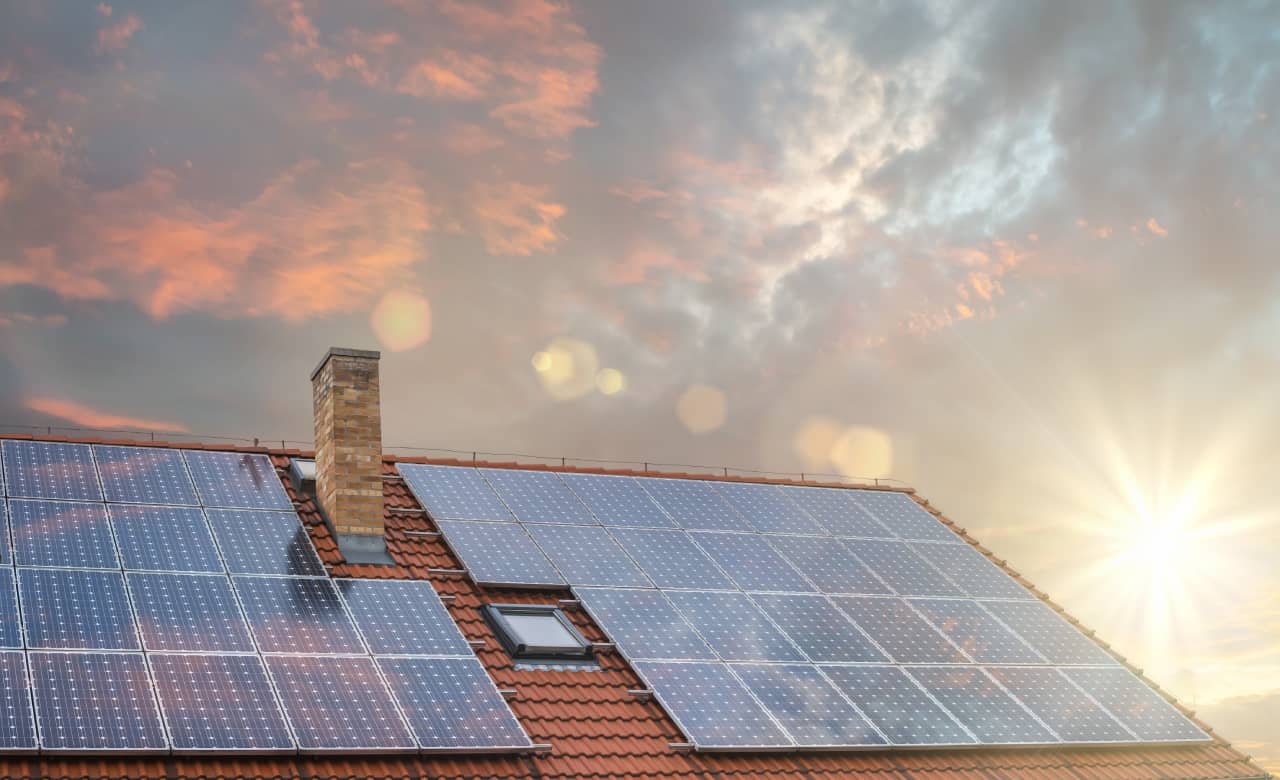
In recent years, there has been a growing trend towards sustainable and energy-efficient roofing materials. Advances in technology have led to the development of cool roofs, which reflect more sunlight and absorb less heat, thus reducing energy costs. Additionally, green roofs, which involve growing vegetation on rooftops, are gaining popularity in urban areas for their environmental benefits.
Another notable innovation is the use of synthetic materials, such as synthetic slate and cedar shakes. These materials offer the aesthetic appeal of natural products but with enhanced durability and lower maintenance requirements. For homeowners seeking eco-friendly options, recycled roofing materials made from post-consumer waste are also available.
What Homeowners Need to Consider
When selecting a roofing material, homeowners should consider several factors, including climate, budget, aesthetic preference, and maintenance requirements. For instance, while slate and metal roofs offer excellent durability, they may come with a higher upfront cost compared to asphalt shingles. However, their longevity and low maintenance can provide savings over time.
Homeowners should also consider the environmental impact of their roofing choice. Opting for sustainable materials and energy-efficient options can contribute to a home’s overall eco-friendliness and reduce utility bills.
For those living in Huntsville or other regions with specific climate conditions, consulting with local experts can provide valuable insights. Professional Huntsville roofing services can guide homeowners in selecting materials that best suit the local weather patterns and architectural styles.
Conclusion
The evolution of roofing materials reflects a dynamic blend of tradition, innovation, and practicality. As homeowners consider their roofing options, understanding the history and advancements in roofing materials can empower them to make decisions that are not only functional but also aesthetically pleasing and environmentally responsible. With the right choice, a roof can enhance a home’s value, efficiency, and longevity.
 adm_2f0043