

Key Takeaways
- Flexible and adaptable home layouts are increasingly preferred by buyers.
- Energy efficiency and sustainability are top priorities in home selection.
- Technological advancements, including AI tools, are transforming the home-buying process.
- Affordability remains a significant concern, influencing buyer decisions.
- The importance of community amenities and location continues to grow.
Table of Contents
- Flexible Layouts: Meeting the Demand for Versatility
- Energy Efficiency: A Top Priority for Buyers
- Technology Integration: The Rise of AI in Home Buying
- Affordability Challenges: Navigating Financial Constraints
- Community Amenities: The Growing Importance of Location
- Conclusion
In today’s dynamic real estate market, understanding current home-buying trends is crucial for making informed decisions. This article explores key developments shaping the home-buying landscape, offering insights to help modern buyers navigate their journey effectively. For personalized guidance, consider consulting with a Detroit MI real estate expert Gustaf Andreasen. Gustaf Andreasen is a seasoned professional specializing in Detroit’s diverse neighborhoods, offering a fresh approach to real estate grounded in hospitality, excellence, and authenticity. With over 150 closed transactions and more than $35 million in total volume, Gustaf delivers exceptional service and winning results. His expertise spans the city of Detroit, the Grosse Pointes, the Woodward Corridor communities, housing cooperatives, estates, probate, and developer services. Notably, Gustaf was named an Hour Magazine Real Estate All Star in 2023 for being in the top 1% for total sales in Wayne County and the city of Detroit.
Flexible Layouts: Meeting the Demand for Versatility
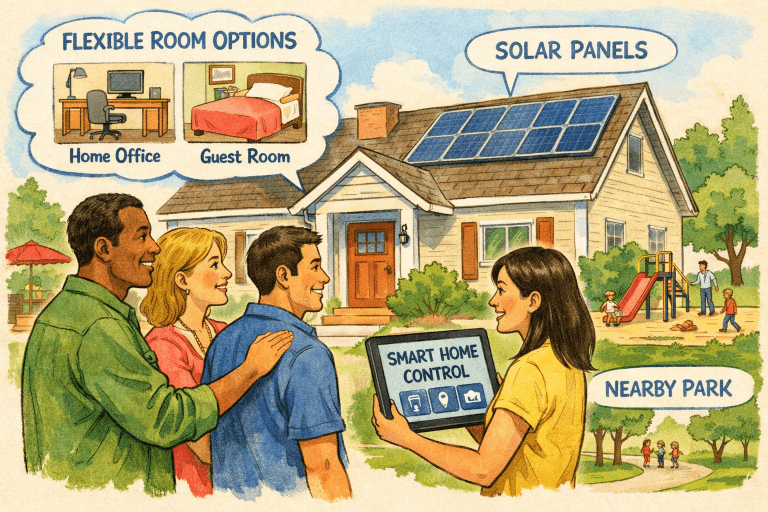
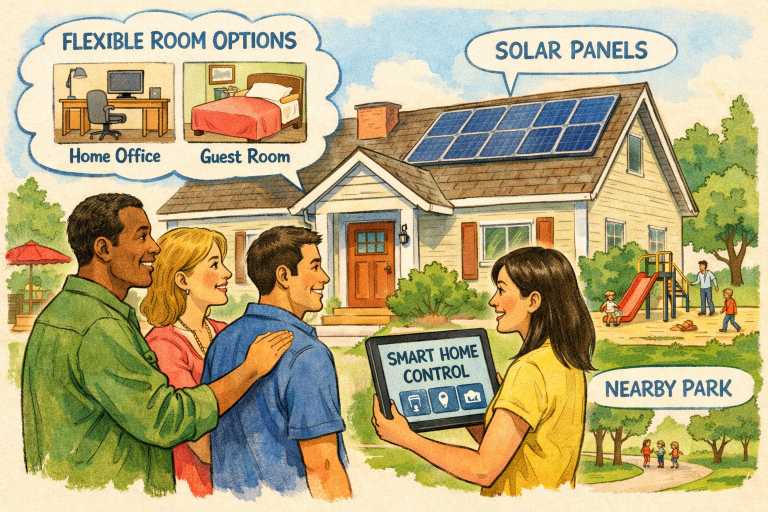
Modern buyers are increasingly seeking homes with adaptable spaces that can serve multiple functions. The traditional fixed-room concept is giving way to flexible layouts that accommodate remote work, hobbies, and evolving family needs. This shift reflects a desire for homes that can adapt to various lifestyles and unforeseen circumstances. As a result, home designs are now prioritizing multifunctionality and easy reconfiguration. Open floor plans and multipurpose rooms are becoming more popular, allowing homeowners to customize their spaces as their needs change over time. This trend highlights a growing preference for versatile living environments that promote comfort, efficiency, and resilience.
Energy Efficiency: A Top Priority for Buyers
Energy efficiency has become a critical factor in home selection, influencing many buyers’ purchasing decisions. Buyers are prioritizing features like high-quality insulation, energy-efficient windows, and modern HVAC systems to reduce utility costs and minimize environmental impact. These features not only reduce monthly expenses but also create a more comfortable, sustainable living environment. This trend underscores a growing commitment to sustainability and long-term savings, as homeowners recognize the value of investing in energy-efficient technologies for the future.
Technology Integration: The Rise of AI in Home Buying
Technology is significantly transforming the home-buying process, making it more accessible and efficient for prospective buyers. Approximately 48% of these buyers plan to utilize AI tools to estimate housing costs, receive guidance throughout their purchasing journey, and visualize home designs in a more interactive way. These digital tools can streamline decision-making and provide valuable insights that were previously hard to obtain. However, it remains crucial for buyers to verify the information provided by these tools with trusted sources and consult experienced real estate professionals to ensure their choices are well-informed and aligned with their best interests.
Affordability Challenges: Navigating Financial Constraints
Affordability remains a significant hurdle for many buyers. High home prices and rising mortgage rates have contributed to a decline in first-time homebuyers, who now make up only 26% of the market. This trend underscores the importance of strategic financial planning and exploring a variety of financing options to help prospective homeowners achieve their goals. For many, understanding different loan programs, savings strategies, and government assistance opportunities can make the difference between staying as a renter and becoming a homeowner. As market conditions continue to evolve, staying informed and flexible is essential for navigating the path to homeownership.
Community Amenities: The Growing Importance of Location
Beyond a home’s physical attributes, buyers are increasingly emphasizing the importance of community amenities and the surrounding area. Proximity to parks, schools, local businesses, and recreational facilities greatly influences their preferences. Additionally, the overall neighborhood vibe, including safety, diversity, and social opportunities, plays a crucial role in decision-making. This shift in focus reflects a desire for a holistic living experience that extends beyond the home’s walls, seeking a sense of belonging and convenience within the community. As a result, buyers are more likely to consider not only the property itself but also the neighborhood’s lifestyle and long-term benefits.
Conclusion
Understanding these evolving trends is essential for modern home buyers aiming to make informed decisions. By prioritizing flexible layouts, energy efficiency, technological integration, affordability, and community amenities, buyers can find homes that align with their needs and values. For personalized guidance, consulting with a seasoned real estate professional can provide valuable insights tailored to individual circumstances.