

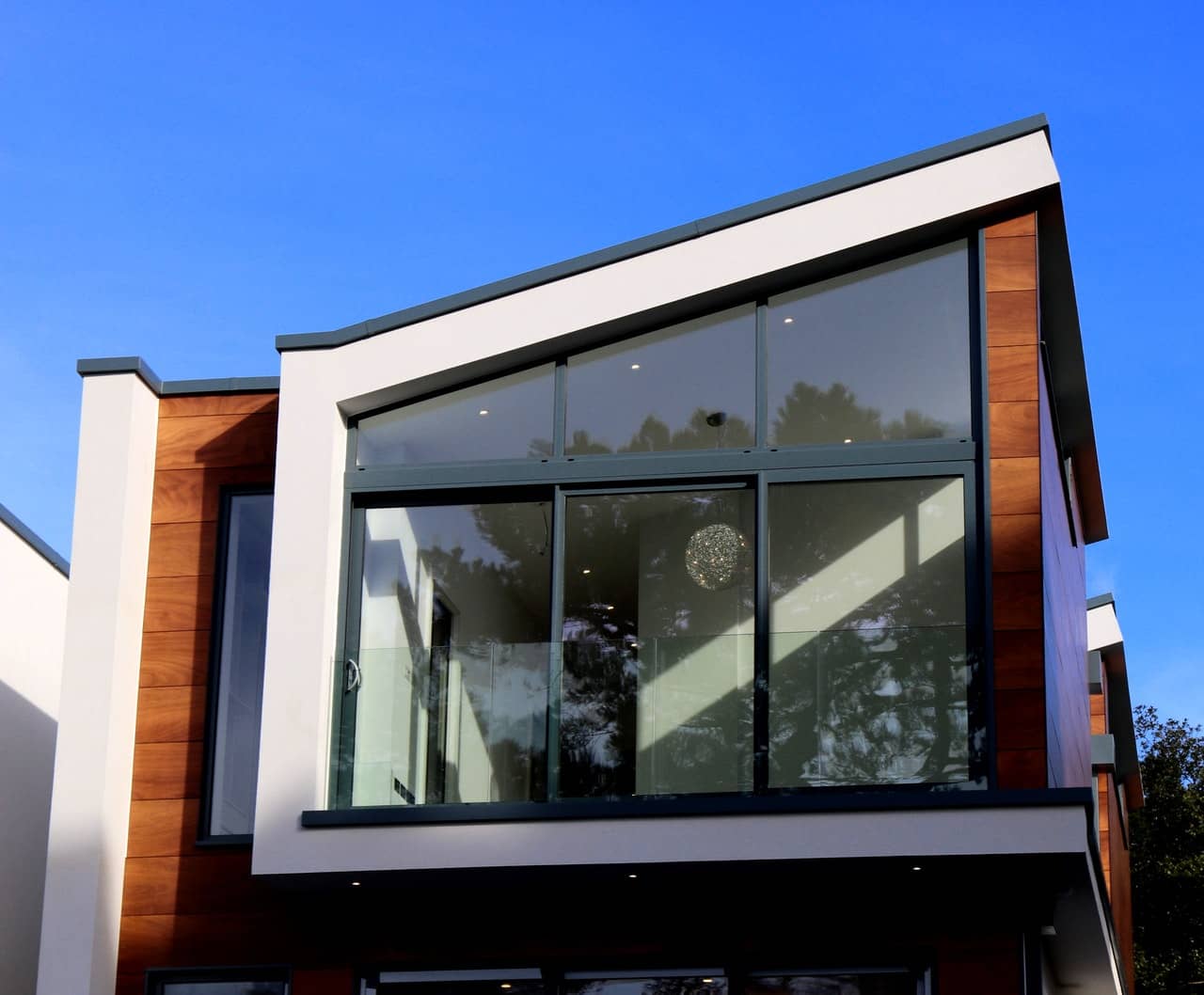
Key Takeaways
- Energy-efficient windows have a measurable impact on your home’s comfort and your utility bills.
- Different frame materials offer varying benefits in terms of durability, maintenance, and insulation.
- The right installation is crucial for maximizing the lifespan and effectiveness of your new windows.
Finding the right windows for your home means balancing durability, efficiency, and design. Many homeowners in regions with varied climates, such as the Northeast, know how important it is to select windows that offer long-term value and comfort. When you invest in high-quality, efficient windows, you improve your home’s comfort and reduce utility costs over time. If you are considering upgrades for your property, a reliable White Mountains window installation service can help guide your choices.
Well-chosen windows can make a significant difference in both how a home feels and how much you spend on heating and cooling. They prevent drafts, block unwanted noise, and can even boost your home’s curb appeal. Windows also play a central role in the amount of natural light your interiors receive and the extent to which your rooms maintain consistent temperatures throughout the year. Prioritizing performance and durability will ensure your investment continues to pay off.
Understanding Energy Efficiency
Modern energy-efficient windows are designed to create a steady, comfortable indoor environment regardless of outdoor extremes. Advanced features such as double- and triple-glazing, tightly sealed edges, and low-emissivity (Low-E) glass coatings can reduce heat transfer. These technologies keep heat indoors during cold winters and outdoors during hot summers. The U.S. Department of Energy estimates that ENERGY STAR certified window replacements can lower household energy bills by an average of 12 percent.
You will also want to look for windows rated by organizations such as the National Fenestration Rating Council, which provides standardized energy and performance ratings. Understanding these ratings helps you compare products more accurately and choose windows designed for improved efficiency.
Choosing the Right Materials
The materials that form the frame and sash of your windows significantly impact durability and maintenance. Here are common choices and their primary attributes:
- Vinyl: Known for its affordability and low maintenance, vinyl resists rot and fading. However, it may not hold up as well in extreme heat, which can cause warping.
- Wood: Valued for its natural insulation and classic appearance, wood requires regular sealing or painting to avoid decay. Wood remains a favorite in historical renovations where authenticity is needed.
- Aluminum: This material excels in strength and is lightweight, though it does conduct heat and cold easily, making it less insulating than other options.
- Fiberglass: With excellent resistance to weather and temperature fluctuations, fiberglass is especially energy-efficient and durable, though it’s often pricier than other materials.
Consider how much time you want to spend on maintenance and your area’s weather patterns before settling on a frame material.
Considering Your Climate
Your home’s geographic location should always guide your window selection. If you live in a cold region, prioritize insulated frames and double- or triple-pane Low-E glass for maximum heat retention. In hot or sunny locations, select windows with high solar heat gain resistance to limit the amount of heat entering your home, keeping interiors cooler and reducing reliance on air conditioning. Matching your window features to local climate conditions contributes directly to comfort and efficiency.
Prioritizing Proper Installation
Even the best-performing windows can fail if incorrectly installed. Professional installers ensure proper fit, tight seals, and correct insulation around the window frame. These factors eliminate drafts, condensation, and moisture intrusion, which can lead to mold and structural issues. For any substantial window replacement, it makes sense to hire a reputable local company with proven experience, as this guarantees lasting performance and maximizes your warranty protection.
Evaluating Warranties
Always review warranty coverage when purchasing new windows. Some warranties cover only materials, while others extend to workmanship and installation. Read the fine print to understand what is included, how long the coverage lasts, and what actions might void the warranty. Window warranties vary substantially between manufacturers, so comparing options will help safeguard your investment.
Balancing Aesthetics and Functionality
Windows are a key visual component of a home, so their appearance should complement your property’s style. Whether your home is modern, traditional, or somewhere in between, choose a window design and finish that matches your architecture. Carefully selected windows can dramatically improve curb appeal and even increase resale value. However, always ensure that style choices do not compromise the function, weather resistance, or insulation needed for your geographical area.
Conclusion
Deciding on durable and efficient windows requires a clear understanding of energy performance ratings, frame materials, climate suitability, installation quality, warranty options, and visual appeal. By weighing each factor, you can confidently invest in windows that enhance your home’s comfort, boost efficiency, and add long-term value.