

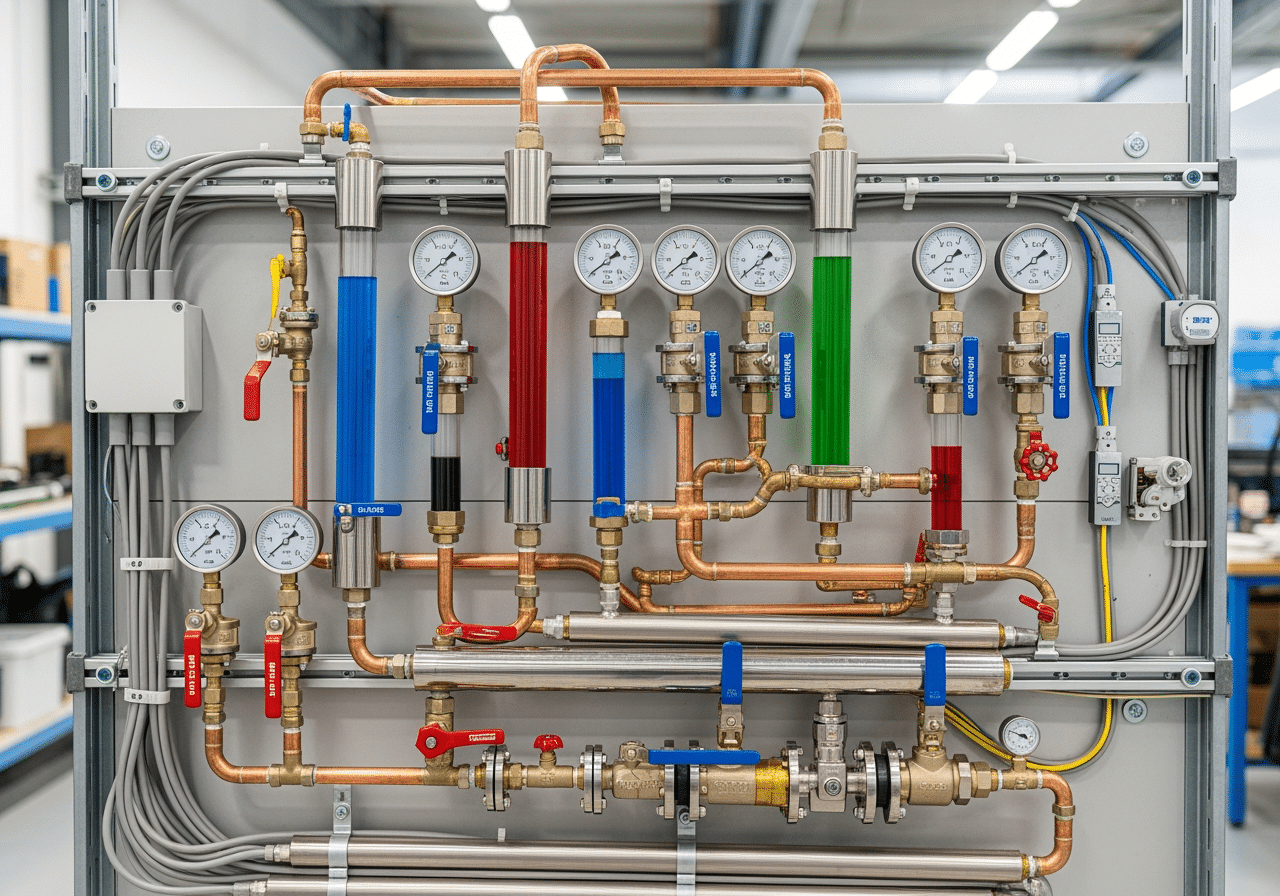
Understanding the Scope of Complex Plumbing Solutions
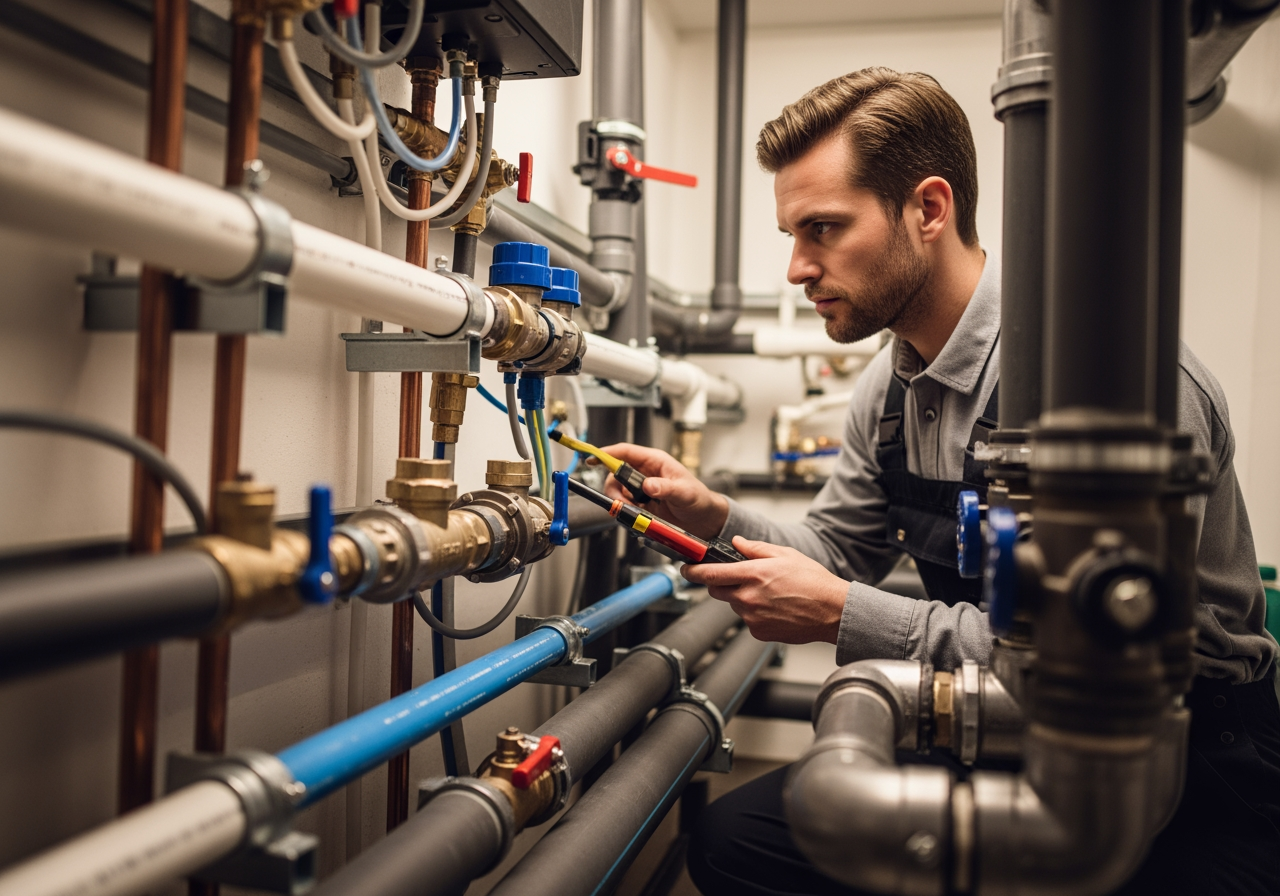 Plumbing issues often feel like a minor annoyance, but some problems run much deeper. These challenges require expertise beyond simple repairs and demand comprehensive, complex plumbing solutions. In St. Petersburg, FL, where unique architectural styles meet evolving infrastructure, understanding these intricate systems is crucial. We know these aren’t just fixes; they are vital projects impacting your property’s safety, efficiency, and long-term value.
To explore the broader world of home plumbing, read our Ultimate Plumbing Guide. For immediate assistance with any complex issue, please request a service appointment.
In this extensive guide, we will solve the complexities of modern plumbing. We will cover everything from strategic repiping and retrofitting to the latest innovations in materials such as PEX and advanced drainage systems. We’ll also examine intelligent technologies that conserve water and improve overall efficiency. We aim to provide you with the insights needed to effectively navigate these challenges. For reliable, local complex plumbing solutions, grasping these advanced concepts is essential.
When we talk about complex plumbing solutions, we’re moving beyond a simple leaky faucet or a clogged drain. We’re delving into system-wide overhauls, innovative installations, and cutting-edge technologies to address significant challenges across residential and commercial properties. These solutions often involve repiping entire structures, retrofitting existing systems for improved performance, integrating aesthetic installations that blend form and function, or designing unconventional systems for unique living situations, such as off-grid homes. A deep understanding of current building codes and compliance standards is paramount in all these endeavors.
When to Repipe vs. Retrofit Your System
Deciding whether to repipe an entire plumbing system or retrofit existing components is a critical decision homeowners and property managers often face. This choice typically arises when dealing with aging pipes, frequent leaks, consistently low water pressure, or noticeable water discoloration. These are usually clear indicators that your current plumbing infrastructure is failing.
Repiping involves replacing the entire network of supply or drain pipes within a building. This is often the best option when the existing system is severely deteriorated, made of outdated materials prone to failure (such as galvanized steel or old lead pipes), or when you’re undertaking a major renovation. A full home repipe is a significant undertaking that requires meticulous planning and execution. Still, it offers a fresh start, ensuring the system is completely up to date with the latest building codes and providing the highest efficiency levels. When you have the opportunity to rebuild a property’s plumbing system, it’s especially worth the investment for long-term peace of mind and performance.
On the other hand, retrofitting focuses on improving existing fixtures and systems. This can involve upgrading to more efficient water heaters, installing low-flow toilets and showerheads, or integrating new technologies like smart leak detectors. Retrofitting is ideal for improving efficiency, enhancing safety (e.g., with anti-scald devices), or bringing an older system up to current compliance standards without the extensive work of a full repipe. It’s an excellent way to extend the life of a functional system and boost its performance. For those looking to optimize their current infrastructure, exploring resources on advancing system design can provide valuable insights into modernizing plumbing without a complete overhaul.
In many older homes in St. Petersburg and similar coastal areas, a balanced strategy may involve selectively repiping the most vulnerable lines, such as those buried in slabs or running through unconditioned spaces, while retrofitting fixtures and appliances. This pragmatic approach helps control costs while still addressing the most pressing risks. Working closely with a licensed plumber allows you to prioritize upgrades based on pipe condition, water quality goals, and future renovation plans. Detailed inspections with cameras and pressure testing can reveal which parts of the system are nearing the end of their life and which still have years of safe service left.
Beyond Functionality: The Rise of Aesthetic and Unconventional Plumbing
Plumbing is no longer just about hidden pipes and utilitarian fixtures. Today, aesthetic plumbing installations are transforming bathrooms and kitchens into design statements. We see property owners integrating traditional plumbing fixtures with modern technology, creating unique and personalized spaces. Homeowners are increasingly choosing exposed showers, tubs, and sinks, embracing an industrial-chic design that turns functional elements into focal points. Integrating smart sensors with faucets and lights to create a personalized experience further advances this trend, boosting property value through unique features.
Beyond aesthetics, unconventional living situations demand non-traditional plumbing solutions. Off-grid living, for instance, requires self-sustaining water and waste management systems that often involve rainwater harvesting, greywater recycling, and specialized filtration. These setups push the boundaries of conventional plumbing, requiring innovative thinking and custom designs. Whether it’s any home, a remote cabin, or a historic building with unique architectural features, marrying traditional plumbing fixtures with modern technology can keep older, functional systems in place with minor adjustments, providing both charm and efficiency.
In urban environments, aesthetic and unconventional plumbing also intersect with accessibility and wellness design. Curbless showers with linear drains, for example, support aging in place while maintaining a minimalist, spa-like feel. Touchless faucets and smart toilets can reduce the spread of germs and make daily routines easier for people with mobility challenges. Even choices such as pipe routing and access panel placement can be optimized to minimize future maintenance disruption to carefully designed spaces.
Identifying the Need for Complex Plumbing Solutions
Recognizing when a plumbing issue transcends a simple repair and requires a complex solution is crucial for preventing further damage and costly interventions. Here are some subtle warning signs that indicate a deeper, more intricate problem within your plumbing system:
- Chronic Clogs: While an occasional clog is normal, if you’re dealing with blockages in multiple drains or the same drain repeatedly, it suggests a systemic issue, possibly a compromised main line or significant buildup.
- Multiple Simultaneous Issues: If you experience low water pressure at one faucet, a running toilet in another bathroom, and a slow drain in the kitchen, it points to a broader problem affecting your entire plumbing network.
- Water Hammer Sounds: Loud banging or hammering noises when you turn water on or off can indicate loose pipes, excessive water pressure, or issues with air chambers, all of which require professional assessment.
- Foul Odors: Persistent sewer gas smells emanating from drains or even outside your home can signal a broken sewer line, dried-out P-traps, or other serious waste system malfunctions.
- Sudden Water Bill Spikes: An unexplained increase in your water bill, without a change in usage, is a classic sign of a hidden leak, potentially in a slab, underground, or within walls, demanding immediate investigation.
- Unusual Lush Spots in Yard: Patches of unusually green or soggy grass in your yard, especially during dry periods, can be a telltale sign of a leaking sewer or water main underground.
- Discolored Water: Water that consistently appears rusty, brown, or otherwise discolored indicates corrosion within your pipes, often a sign of aging galvanized steel pipes that need replacement.
If you observe any of these indicators, it’s a strong signal that your plumbing system requires more than a quick fix. Ignoring these symptoms can lead to extensive damage, health hazards, and significantly higher repair costs down the line.
Homeowners can also watch for subtler performance changes: showers that no longer feel as hot as they used to, fixtures that sputter with trapped air, or water pressure that varies noticeably when multiple fixtures run at once. These issues may indicate undersized piping, partially closed valves, or failing pressure regulators. A professional evaluation can include pressure measurements at different points in the system, inspection of the water heater and expansion tank, and testing of backflow prevention devices. Taken together, these steps create a full picture of system health and help determine whether targeted repairs or broader complex plumbing solutions are needed.
Innovations in Piping and System Design
The plumbing landscape has been revolutionized by advancements in materials and system design, moving beyond traditional copper and cast iron to embrace more durable, flexible, and efficient options. These modern innovations are particularly vital for complex projects, from residential renovations to high-rise commercial developments. These advanced systems rely on high-quality components, which can be sourced from a dedicated standard plumbing supply complex needs.
Modern Piping Materials: PEX, CPVC, and Hybrid Approaches
The choice of piping material is fundamental to the longevity and efficiency of any plumbing system. Today, two materials stand out for their advantages over traditional metal pipes: PEX (cross-linked polyethylene) and CPVC (chlorinated polyvinyl chloride).
PEX piping, particularly PEX-a, has gained immense popularity due especially to its flexibility. This allows for fewer fittings and joints in an installation, significantly reducing potential leak points and installation time. Uponor AquaPEX® is a prime example, offering excellent durability and corrosion and scaling resistance. This flexibility also makes it ideal for navigating tight spaces and complex layouts.
CPVC piping is another robust option, known for its ability to withstand high temperatures and pressures, making it suitable for both hot and cold water distribution. Systems like Uponor ChlorFIT® Schedule 80 Corzan® CPVC provide reliable, consistent service in risers, mains, and in-suite plumbing applications, including those up to 8 inches in diameter.
The true innovation often lies in hybrid plumbing approaches that combine the strengths of different materials. For instance, combining PEX-a with CPVC can offer the best of both worlds, utilizing PEX ‘sibility for in-suite distribution and CPVC ‘sidity for main risers. Uponor, for example, gives systems like AquaPEX® and ProPEX® (from ½” up to 2″-3″) combined with the ChlorFIT system (up to 8″), providing all the pipe, fittings, valves, adapters, and accessories needed for diverse installation environments. This strategic combination can lead to significant efficiencies. For example, the use of Corrugated Medical Tubing (CMT), a form of flexible piping, has demonstrated a 79% reduction in joints for piping systems, illustrating the potential for fewer leak points and improved reliability.
The benefits extend beyond just material properties. For radiant heating and cooling systems, innovations like Radiant Rollout Mats, which are custom-designed, prefabricated networks of PEX pipe, can save up to 80% on installation time, streamlining complex projects. These advancements underscore how modern materials and thoughtful system design contribute to superior plumbing infrastructure.
To choose wisely among these options, designers and contractors evaluate local water quality, operating temperatures, pressure requirements, and the building’s lifespan. In areas with aggressive water chemistry, for example, non-metallic piping can significantly reduce corrosion risk. In retrofit projects, flexible materials may allow installers to snake new lines through existing cavities with minimal demolition, lowering both labor time and disruption to occupants.
Space-Saving Drainage Solutions for High-Rise Buildings
High-rise buildings present unique plumbing challenges, particularly in wastewater drainage. Traditional systems often require large-diameter pipes and parallel ventilation pipes, consuming valuable floor space. Modern solutions, however, focus on hydraulically optimized drainage to maximize efficiency and minimize footprint.
One such innovation is a new generation of high-density polyethylene (HDPE) stack systems that leverage fluid dynamics to maintain stable air columns inside the pipe. By carefully controlling the way water enters vertical stacks and changes direction on horizontal runs, these systems can sustain high discharge capacities while using smaller pipe diameters than conventional approaches. Because the airflow is managed within the drainage stack itself, the need for separate parallel vent pipes can be reduced or, in some designs, eliminated.
By minimizing the number and size of required risers, architects can reclaim valuable shaft space for other building services or even for rentable square footage. Smaller, more efficient drainage systems may also allow greater flexibility in locating bathrooms and kitchens on each floor, since fewer large chases are required. This can be especially advantageous in mixed-use buildings where retail, office, and residential areas each have different plumbing layouts.
Specialized Tubing for Unique Applications like Healthcare
In specialized environments like healthcare facilities, plumbing demands are exceptionally stringent, prioritizing sterility, safety, and reliability. The introduction of Corrugated Medical Tubing (CMT) represents a significant advancement, offering a compelling alternative to traditional seamless copper tubing for medical gas systems.
Until the 2018 edition of NFPA 99: Health Care Facilities Code, seamless copper tubing was the only option. However, CMT, a semi-rigid copper alloy tubing, was subsequently included as an approved material. The benefits of CMT are substantial, particularly in renovation projects or complex installations. Its flexibility allows it to bend around corners and flex to avoid obstacles, eliminating the need for many intermediate joints. This significantly reduces the number of potential leak points and the risk of contamination.
Statistics highlight CMT’s efficiency: installation labor estimates for CMT have shown a minimum 82% reduction in labor hours compared to brazed hard copper, with one case study demonstrating a 79% reduction in joints for the piping system. This not only speeds up installation but also reduces the costs associated with support items such as brazing rods and purge gas. CMT typically comes in rolls of piping up to 500 feet, allowing for continuous runs without intermediate connections. It’s important to note that CMT must be installed by an ASSE 6010-certified installer (or state equivalent) who has completed the manufacturer’s installation program, ensuring proper and safe implementation.
Beyond medical gas, specialized tubing solutions are emerging for laboratory waste, high-purity water, and corrosive fluids. For example, certain plastics and lined piping systems are engineered specifically to handle acids and solvents that would rapidly degrade standard materials. In data centers and advanced manufacturing, closed-loop cooling systems rely on carefully selected piping that minimizes oxygen diffusion and scaling. All of these applications highlight how modern plumbing has expanded from basic water and sewer lines into a highly specialized discipline supporting critical building operations.
The Rise of Intelligent Plumbing Technology
The integration of smart technology is changing plumbing from a purely mechanical system into an intelligent network that improves efficiency, safety, and sustainability. From smart sensors that detect leaks to advanced wastewater management and precision hot water controls, these innovations are redefining what complex plumbing solutions can achieve. For issues like persistent sewer backups, homeowners often turn to emergency sewer services to diagnose and resolve the underlying complex problem, usually leveraging these very smart technologies.
Smart Systems for Water Conservation and Cost Savings
Smart plumbing technologies are at the forefront of water conservation efforts, offering unprecedented control and insight into water usage. Automatic leak detectors, equipped with sophisticated sensors, can detect leaks in real time and sometimes even shut off the water supply to prevent extensive damage. Flow monitoring sensors track water consumption, enabling property owners to identify inefficiencies and optimize water use.
The application of artificial intelligence in plumbing diagnostics, as discussed in industry resources on the role of AI in plumbing, further improves these capabilities. AI can analyze data from these sensors to predict potential issues before they escalate, providing predictive maintenance insights. Remote system management via mobile apps or cloud-based platforms allows homeowners and facility managers to monitor and control their plumbing systems from anywhere, receiving alerts for anomalies. This proactive approach not only significantly reduces operational costs by preventing costly repairs and water waste but also contributes to environmental sustainability by optimizing water use.
Practical examples include whole-home monitoring valves that automatically close the main line if a catastrophic leak is detected, such as a burst washing machine hose. In commercial settings, smart controllers can track water use by zone or tenant, making it easier to allocate costs fairly and quickly spot unusual consumption patterns that may signal a hidden leak. Over time, data from these systems can inform decisions on fixture upgrades, irrigation schedules, and even occupant education campaigns to reduce waste.
Advanced Wastewater Management for Commercial Buildings
Wastewater systems in commercial buildings face unique challenges, primarily clogging and level switch failures. These issues can lead to costly downtime, maintenance, and potential health hazards. Modern solutions, however, are designed to address these problems with greater efficiency and reliability.
Inline sewage ejectors are a prime example of such advancements. Unlike traditional systems that rely on wet wells, inline ejectors offer a compact, space-saving design that simplifies installation and reduces the need for extensive infrastructure. Even with difficult waste streams like flushable “wipes, which frequently cause jams in conventional pump stations, they function with little friction loss, offering a steady, dependable discharge. The inline pump operates with minimal friction loss, thus providing a constant and reliable discharge. This inline system can also replace an existing system in an existing wet well, offering a seamless upgrade.
These advanced systems often incorporate smart technology and control features, allowing for real-time data collection, analysis, and remote adjustments. This intelligence helps overcome the drawbacks of retaining raw sewage, such as the accumulation of dangerous gases (like hydrogen sulfide), sand, and grease, as well as structural erosion and obstructed float switches. The result is a safer, more efficient, and more reliable wastewater management system with reduced maintenance requirements.
Facility managers can program alarms for high run times, unexpected starts, or motor overheating, enabling them to intervene long before a failure causes a backup. Integrating pumps with building automation systems also enables demand-based operation, so equipment runs only when needed. This reduces energy use and extends pump life, both of which can be significant cost savers over a building’s span.
Precision and Safety with Digital Hot Water Mixing Valves
Ensuring safe and consistent hot water delivery is a critical aspect of any plumbing system, especially in commercial and multi-residential settings. Digital hot-water mixing valves offer a significant leap forward in precision and safety compared to standard thermostatic counterparts.
Here’s a comparison of their key features:
Feature Standard Thermostatic Mixing Valve Digital Hot Water Mixing Valve
Operation principle: A temperature-sensitive element expands and contracts as water temperature changes. A controller’s algorithm processes temperature, flow, and pressure data from sensors and continuously adjusts internal components.
Response to temperature changes: The Mechanical piston moves in response to the thermostatic element; adjustment is slower and can drift over time. Electronic sensors provide rapid feedback, enabling quick corrections to maintain the setpoint temperature within a narrow band.
User adjustment Manual temperature adjuster; requires a thermometer on the discharge side for accurate setting. Digital LED touchscreen or interface for precise setpoint control, with the ability to lock settings and log changes.
Safety features: The piston closes if the hot or cold supply fails, but verification depends on manual testing and maintenance. Actively maintains safe water temperature to prevent scalding and thermal shock; can trigger alarms or shutdowns if conditions go out of range.
Monitoring and data. Standalone operation with no built-in data logging. Cloud-based technology and mobile apps enable remote monitoring, trend analysis, and data storage for compliance documentation.
Integration: Typically not integrated with other building systems. Integrates with a BAS to provide broad management capabilities and coordinated building-wide control strategies.
Maintenance strategy: Largely reactive; issues are often found only after occupants notice a problem. Supports predictive maintenance by tracking performance indicators and alerting staff before failures occur, reducing repair and maintenance costs.
Installation: Conventional plumbing installation, often with separate aquastats and controls. Simple plug-and-play style installation in many models, eliminating the need for a separate aquastat and simplifying control wiring. Risk and liability: Higher risk of unnoticed temperature drift, which can increase liability for owners. Minimizes risks and liability for owners, engineers, and facility managers through precise control, alarms, and event logging. Digital mixing valves use programmable systems to process temperature, flow, and pressure data, modulating internal components for accurate temperature control. They excel at maintaining safe water temperatures, effectively preventing scalding and thermal shock. Moreover, they deliver consistent hot water on demand, wherever and whenever it is needed, while conserving energy through efficient temperature management. Their ability to integrate with Building Automation Systems (BAS) provides broad management capabilities, including remote access alerts that allow facility managers to monitor the plumbing water system from anywhere. This integration, along with data logging, helps reduce repair and maintenance costs and minimizes risks and liability for property owners.
In healthcare, hospitality, and multifamily buildings, digital valves can also support automated thermal disinfection cycles to help control waterborne pathogens. By temporarily elevating system temperatures in a controlled, documented manner, operators can address microbial risks without manual intervention at every fixture. That level of precision and recordkeeping is increasingly important as plumbing systems are recognized as part of a building’s overall health and safety strategy.
Executing Your Project: Planning and Professional Installation
Undertaking complex plumbing solutions requires more than just skilled labor; it demands meticulous project planning, adherence to stringent code compliance, careful material sourcing, and the expertise of seasoned professionals. The success of any major plumbing project hinges on these foundational elements. Ensuring you have access to the correct, code-compliant materials from a reputable plumbing parts supplier is the foundation of a durable repair and a reliable system.
Finding the Right Expertise for Complex Plumbing Solutions
When facing intricate plumbing challenges, the importance of engaging certified professionals cannot be overstated. Unlike routine repairs, complex plumbing solutions require a deep understanding of system design, advanced diagnostic capabilities, and adherence to rigorous safety protocols. Experienced plumbers possess the knowledge to steer complex layouts, anticipate potential issues, and implement solutions that are both effective and compliant.
They also play a crucial role in ensuring warranty compliance for installed components and in guiding you through the often confusing maze of local codes and regulations. For instance, finding master-level plumbing services in your area ensures you’re working with individuals who have achieved the highest level of licensing and expertise in the field. It’s best to have piping professionally installed to ensure it’s up to date with the latest building codes and provides the highest efficiency levels. Their expertise means the job is done right the first time, preventing future headaches and costly re-dos.
During the planning phase, a qualified contractor will typically perform a full assessment of your existing system, review architectural plans, and coordinate with other trades such as electricians and HVAC technicians. They may create isometric drawings, fixture schedules, and detailed material lists to reduce the chance of surprises once work begins. Clear communication about access requirements, shutoff times, and project milestones also helps occupants prepare for temporary disruptions.
Adhering to Codes and Standards
Plumbing fixture compliance standards evolve, and plumbing system building codes are regularly updated to reflect new technologies, safety concerns, and environmental considerations. Adhering to these local building codes and health and safety regulations is not merely a legal requirement; it’s essential to the long-term reliability and safety of your plumbing system.
Proper permitting is a critical step that ensures your project meets all necessary standards and undergoes required inspections. Ignoring this can lead to significant problems, including fines, forced demolition, and issues with insurance coverage or property resale. For specialized systems, such as small-diameter gravity sewers, understanding and following specific guidelines, such as those published by environmental and public health agencies, is essential for effective, environmentally sound wastewater management. Professional plumbers are well-versed in these codes and can guide you through the permitting process, ensuring your complex plumbing solution is not only functional but also fully compliant and built to last.
In addition to local building codes, many projects must also comply with standards set by organizations such as ASME, ASSE, and IAPMO, as well as accessibility requirements, such as those in the ADA. A professional familiar with these overlapping frameworks can select fixtures and layouts that meet all relevant criteria within a single coordinated design. This holistic approach reduces the risk of a last-minute change being required to pass inspection, saving time and money while delivering a safer, more reliable plumbing system.
Frequently Asked Questions about Complex Plumbing
What are the key differences between repiping and retrofitting a plumbing system?
Repiping involves the complete replacement of a building’s supply or drain pipe network, often necessitated by widespread deterioration, material failure (e.g., corroded galvanized pipes), or age. It’s giving your home a brand-new water-circulation system. Retrofitting, on the other hand, focuses on upgrading or adding specific components to an existing, generally functional system. This could mean installing low-flow fixtures, smart water heaters, or advanced filtration systems to improve efficiency and safety, or to meet new standards, without replacing all the pipes.
How do smart plumbing technologies contribute to water conservation?
Smart plumbing technologies significantly contribute to water conservation by providing real-time data and automated responses. Sensors can detect even minute leaks, often automatically shutting off the water supply to prevent waste and damage. Flow monitoring devices track water usage patterns, identifying areas of inefficiency. Smart irrigation systems adjust watering schedules based on local weather data, avoiding unnecessary water use. Additionally, smart water heaters optimize energy use, thereby reducing the overall environmental footprint of water heating. Together, these technologies lead to substantial reductions in water consumption and lower utility bills.
What are the first warning signs of a failing sewer line?
Early detection of a failing sewer line can prevent extensive damage and costly repairs. Key warning signs include multiple drains backing up simultaneously, indicating a blockage in the main line rather than a single fixture. You might also hear gurgling sounds coming from toilets or drains, especially after running water elsewhere in the house. Persistent foul odors, resembling sewage, inside or outside your home, are a strong indicator. Unusually lush, green, or soggy patches of grass in your yard, particularly if there hasn’t been recent rain, can signal an underground leak. Finally, slow-draining fixtures throughout the property, not just one, often point to a systemic issue with the sewer line.
Conclusion
As we’ve seen, plumbing has evolved far beyond basic pipes and fixtures. Today’s plumbing solutions encompass a sophisticated array of materials, technologies, and design philosophies to enhance efficiency, safety, and sustainability. From the strategic decision to repipe or retrofit, to the integration of aesthetic elements and specialized tubing for critical applications, modern plumbing is a dynamic and innovative field.
The rise of intelligent plumbing technology, including smart systems for water conservation, advanced wastewater management, and precision digital mixing valves, underscores a future where our water infrastructure is more resilient, responsive, and environmentally conscious. Navigating these complexities requires not only an understanding of available solutions but also an appreciation of the critical role of professional expertise. Engaging certified professionals ensures that projects adhere to stringent codes and standards, use quality materials, and deliver long-term value.
Investing in modern, intelligent plumbing solutions is an investment in the future – safeguarding properties, conserving precious resources, and ensuring comfort and peace of mind for years to come.