

Key Takeaways
- Identify the main reason for fencing (privacy, security, aesthetics, containment) before making any purchases.
- Compare different fence materials based on their cost, longevity, and maintenance requirements.
- Check your local zoning laws and HOA restrictions before building to avoid costly fines and penalties.
- Professional installation is often worth the investment for complex jobs, ensuring a longer-lasting fence.
Whether you’re aiming to secure your home, boost privacy, or elevate curb appeal, the right fence can make all the difference for your property. With a variety of materials, designs, and installation options to consider, the decision process can be overwhelming for homeowners. If you’re beginning your search for San Antonio fences, start with a clear plan—understanding your goals will help you select a fence that suits your needs, complements your style, and complies with local regulations.
A well-installed fence not only defines boundaries but also offers peace of mind and increases property value. From enhancing safety for children and pets to providing extra security against unwanted intruders, a thoughtfully chosen fence can serve multiple functions. Balancing these needs with personal style and long-term maintenance is key to a satisfactory investment.
Before moving forward, it is essential to evaluate material durability, total budget, and neighborhood restrictions. Many homeowners also face the pivotal decision of handling the job themselves or hiring a contractor, each approach offering unique benefits and challenges. For those seeking an efficient solution, professional help can make all the difference in achieving a lasting result.
Determine Your Fence’s Purpose
Your fence should serve your primary objective, whether it’s shielding your yard from busy streets, keeping children and pets safe, or simply enhancing exterior beauty. Solid wood or vinyl panels are best suited for privacy, while open metal or decorative designs can effectively highlight landscaping. For those who prioritize protection, select taller fences made from durable materials equipped with locking gates and minimal gaps.
Choose the Right Material
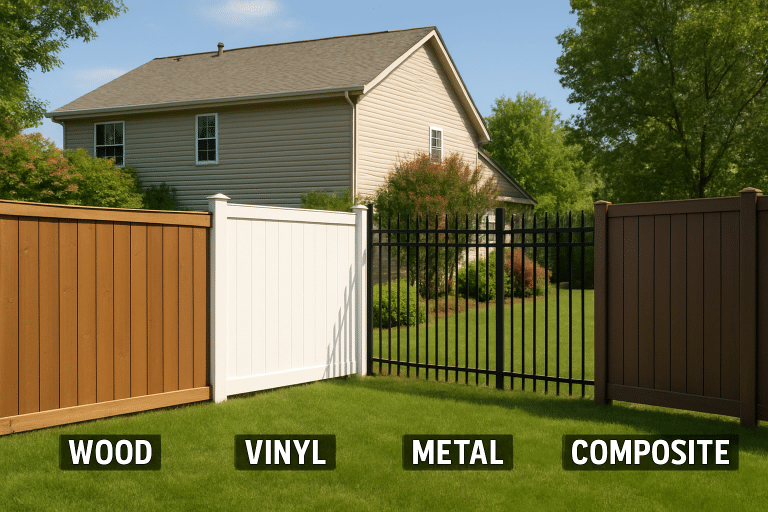
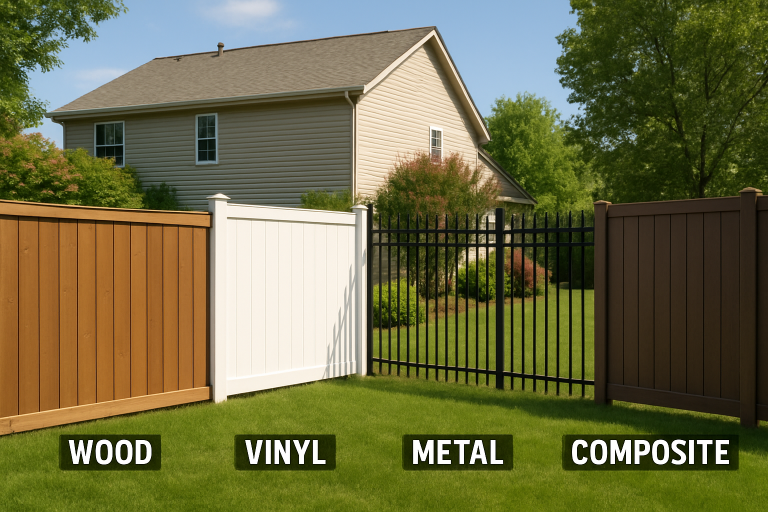
Fence materials significantly impact longevity, appearance, maintenance, and overall cost. Wood is a timeless choice—and can be ornate or simple—but it requires frequent sealing or painting to prevent rot and insect damage. Vinyl fences are virtually maintenance-free and resistant to weathering, but they carry a higher upfront cost. Aluminum and steel offer security and low maintenance, with steel being sturdier but susceptible to rust unless properly treated. Composite fencing offers the charm of wood without the hassle, although initial costs tend to be higher. Proper fence installation is crucial to ensure durability, stability, and optimal performance, regardless of the material chosen.
Set a Realistic Budget
Budget planning is essential when considering a fence for your property. Prices can differ significantly depending on material, height, linear footage, and local labor rates. For example, installing a typical wood fence may cost anywhere from $1,700 to $4,400, while vinyl options generally reach between $3,000 and $6,000 for mid-sized projects. Include extra expenses such as permit fees, disposal of old fencing, and tricky installations over slopes or rocky ground. If your budget is tight, many contractors provide financing or staged payment plans. Use a spreadsheet to track quotes, purchases, and unexpected costs, ensuring you stay on top of your investment.
Understand Local Regulations
Homeowners should review municipal codes and HOA guidelines before beginning any fence project. Local authorities often restrict the height, style, and placement of fences to preserve community standards. Failing to obtain proper permits or inspections can result in costly fines or removal orders—especially important for corner lots or properties near busy roads. The International Association of Certified Home Inspectors highlights the importance of complying with fence code requirements to avoid common pitfalls.
Decide Between DIY and Professional Installation
DIY Approach
Handy homeowners may gravitate toward DIY fence installation for potential cost savings and a sense of accomplishment. However, this route usually requires specialized tools, careful site preparation, and physical labor. For smaller or basic fences, DIY can be feasible, provided you are vigilant about local codes and property lines.
Professional Contractors
Professional fence installers bring experience and efficiency, ensuring your fence is straight, secure, and compliant with city or HOA rules. Their expertise is especially critical when tackling uneven ground, challenging materials, or custom design elements. While hiring a contractor typically increases project costs, the result is a longer-lasting, often warrantied fence.
Maintenance Considerations
The type of fence you choose will dictate your maintenance routine. Wood requires periodic staining or painting, as well as regular inspections for signs of rot or pest damage. Vinyl fences only require seasonal cleaning to maintain their fresh appearance. Metal fences, especially those made of steel, may benefit from annual rust prevention in wet or coastal climates. Composites usually require the least effort; however, homeowners should still periodically verify their stability.
Enhancing Curb Appeal
The right fence can instantly boost your property’s curb appeal, especially when it harmonizes with your home’s architecture and landscape. Match materials and colors to your house’s exterior, and consider softening solid fences with trellises or climbing plants. Layered hedges, low shrubs, and perennial borders create a natural, welcoming perimeter.
Final Thoughts
Selecting a fence is a multifaceted process involving careful consideration of practical needs, personal preferences, and property-specific factors. By weighing all the options and seeking guidance from reputable resources, you’ll invest in a fence that enhances your home’s security, beauty, and value for years to come.
 Sam
Sam