

Understanding the Scope of a Full-Service Residential Plumbing Company
When seeking a residential plumbing service, it’s crucial to understand the breadth of services a truly full-service company offers. It’s not just about fixing a leaky faucet; it encompasses a comprehensive range of solutions designed to keep your home’s water systems running smoothly and efficiently. This includes everything from initial installation and routine maintenance to urgent repairs and system upgrades.
A top-tier residential plumbing service will provide expert installation for new fixtures, appliances, and even entire plumbing systems during renovations or new construction. They handle everything from water heaters, whether traditional tank models or modern tankless units, to complex sewer and drain lines. Beyond installation, their repair services cover a wide range of common household issues, from persistent drips and stubborn clogs to burst pipes and malfunctioning garbage disposals.
Preventive maintenance is another cornerstone of a reliable service. Regular check-ups can identify potential problems before they escalate into costly emergencies, saving homeowners significant stress and expense. And when emergencies do strike, a dependable residential plumber offers rapid response, often 24/7, to mitigate damage and restore functionality as quickly as possible. This holistic approach ensures that every aspect of your home’s plumbing is expertly managed, contributing to its overall longevity and efficiency.

Expertise in Core Residential Plumbing Systems
At the heart of every home are several interconnected plumbing systems, each playing a vital role. A proficient residential plumbing service possesses deep expertise in all of them.
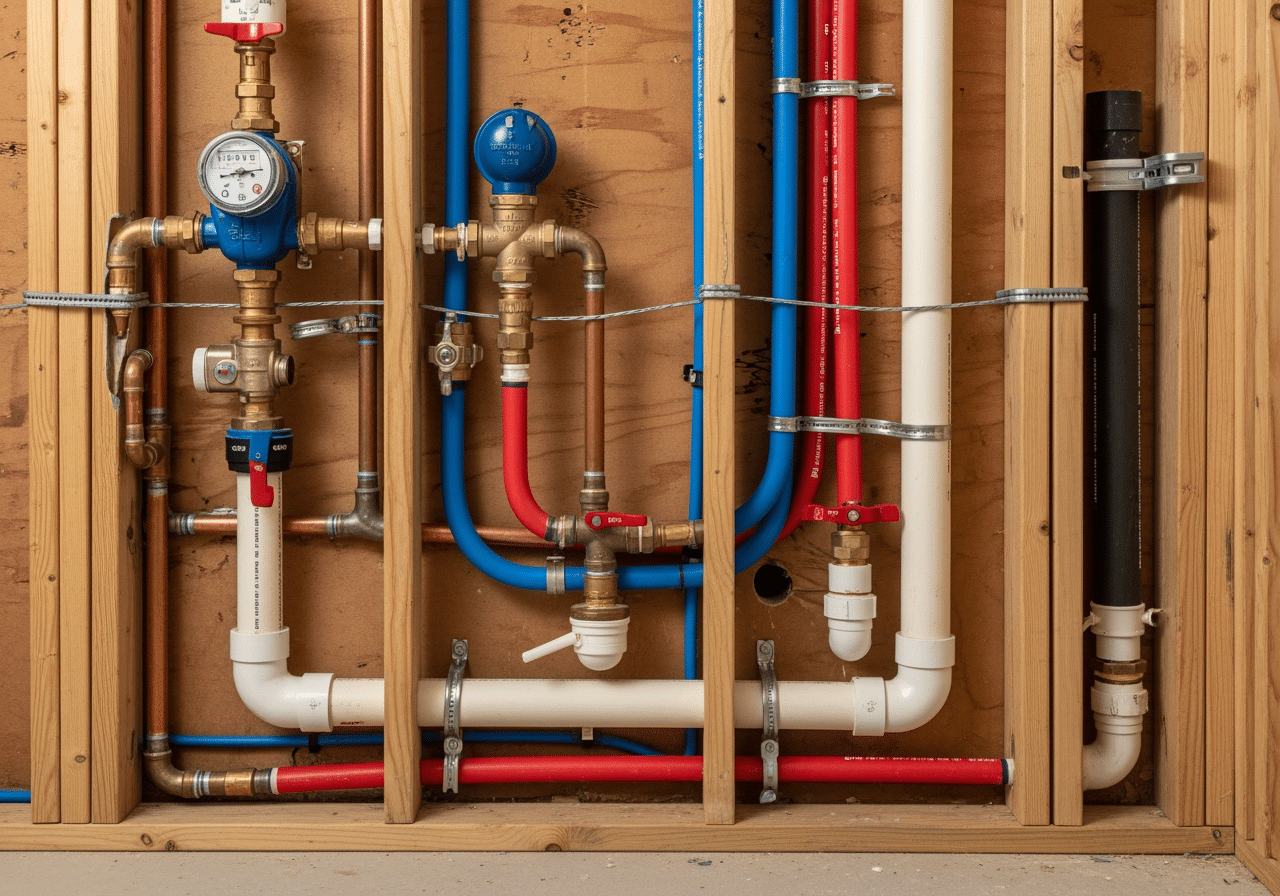
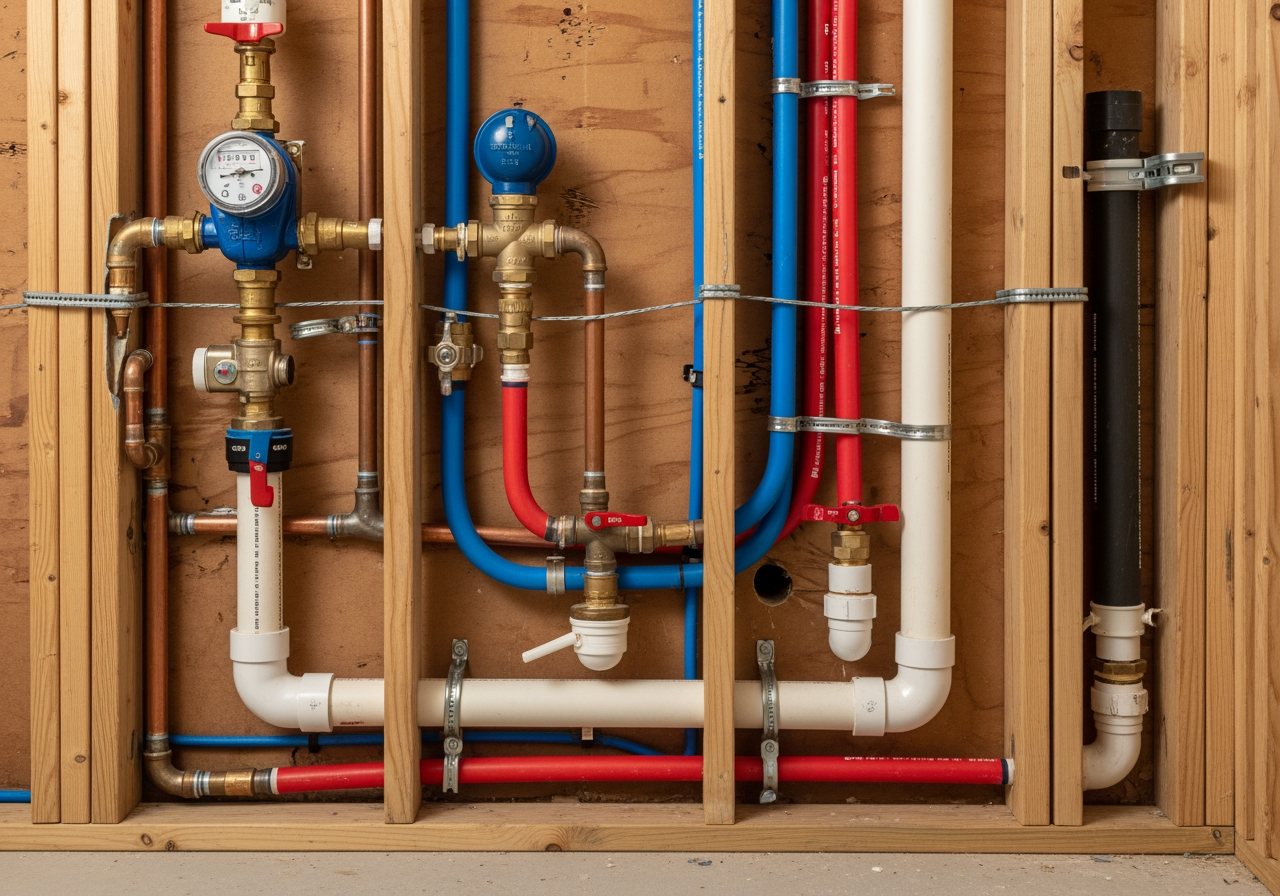
First, there’s the water supply system, which brings clean, potable water into your home from the municipal main or a private well. This system operates under pressure, delivering water to every faucet, shower, and appliance. Understanding water pressure dynamics, pipe sizing, and material compatibility is essential here.
Next is the Drain-Waste-Vent (DWV) system. This gravity-fed network safely and efficiently removes wastewater and solid waste from your home. It comprises drain pipes that carry waste away, and vent pipes that allow air into the system to prevent vacuum formation, ensuring smooth drainage and preventing sewer gases from entering your living spaces. We understand that this system, while often out of sight, is critical for maintaining a hygienic and functional home environment.
Fixtures and appliances are the points where these systems converge. Sinks, toilets, showers, bathtubs, dishwashers, washing machines, and refrigerators all rely on a seamless connection to both the water supply and DWV systems. Proper installation and maintenance of these components are key to preventing leaks, ensuring efficient operation, and maximizing their lifespan.
The water heater is another crucial component that integrates into the water supply system to provide hot water for daily needs. Whether it’s a traditional tank heater or a tankless model, its proper installation, maintenance, and repair are essential for comfort and energy efficiency.
Finally, shut-off valves are strategically placed throughout the system both a main shut-off for the entire house and individual valves for fixtures and appliances. Knowing their locations and ensuring they are in good working order is paramount for emergency preparedness and routine maintenance. A professional service ensures these are always accessible and functional.
Diagnostic and Repair Capabilities
Beyond understanding the systems, a truly excellent residential plumbing service excels in diagnosing and repairing a wide array of issues. Their diagnostic capabilities are sharp, allowing them to pinpoint the root cause of a problem quickly and accurately, rather than just treating symptoms.
Leak detection is a prime example. Water leaks can waste up to 1 trillion gallons of water annually in U.S. homes, and the average household uses about 300 gallons of water per day, with roughly 70% of this occurring indoors. Many leaks are hidden behind walls, under floors, or underground and can lead to significant water damage, mold growth, and inflated utility bills. Advanced leak detection techniques, such as acoustic listening devices and thermal imaging, are often employed to locate these elusive issues without invasive demolition.
Clog removal is another common service. From kitchen sinks choked with grease and food particles to bathroom drains blocked by hair and soap scum, clogs are a frequent nuisance. Professionals use a variety of tools, from powerful drain snakes to hydro-jetting equipment, to clear even the most stubborn obstructions without damaging pipes.
Low water pressure can be a frustrating problem that affects showers, faucets, and appliances. A skilled plumber can diagnose whether the issue stems from municipal supply problems, a partially closed main valve, mineral buildup in pipes, or a faulty pressure regulator, and then implement the appropriate solution.
Sewer line issues are among the most serious plumbing problems a homeowner can face. Tree root intrusion, cracks, collapses, and blockages in the main sewer line can lead to widespread backups and significant property damage. Services often include video camera inspections to accurately assess the condition of the sewer line, followed by effective repair methods such as trenchless pipe repair or traditional excavation. For a deeper understanding of comprehensive diagnostic services and how they can protect your home, we recommend exploring resources from reputable experts in the field, such as Cherry Blossom residential plumbing.
Finally, water heater repair is a critical skill. Whether it’s a pilot light issue, a faulty heating element, a leaky tank, or sediment buildup reducing efficiency, a professional service can diagnose and repair most water heater problems, often extending the life of the unit and restoring reliable hot water.
Evaluating Technical Skill and Adherence to Quality Standards
The technical proficiency of a residential plumbing service is paramount. It’s what separates a quick fix from a lasting solution, and a safe installation from a potential hazard. This involves not only a deep knowledge of materials and techniques but also a strict adherence to industry standards and local building codes.
Mastery of Materials and Installation Techniques
A truly skilled plumber understands that not all pipes are created equal. They possess a comprehensive knowledge of various plumbing materials and their appropriate applications.
Copper pipes have long been a gold standard for water supply lines due to their durability, corrosion resistance, and longevity. However, their installation requires soldering, a specialized skill.
PEX (cross-linked polyethylene) pipes have gained popularity in recent years. They are flexible, resistant to freezing, and easier to install than copper, often requiring fewer fittings and reducing labor costs. A professional knows when PEX is the ideal choice, particularly for repiping projects or new constructions.
For drain pipes, the choice often comes down to PVC (polyvinyl chloride) vs. ABS (acrylonitrile-butadiene-styrene). Both are durable plastics, but they have different characteristics and are typically used in specific regions or for particular applications. A knowledgeable plumber understands these distinctions and ensures the correct material is used for drainage and venting.
Beyond material selection, proper installation techniques are critical. This includes ensuring the correct pipe slope for drain lines, which generally requires a slope of 1/4 inch per foot to facilitate efficient gravity-fed drainage and prevent standing water or clogs. Secure pipe anchoring is also vital; pipes that aren’t anchored every six feet or so can rattle and thump, especially when water is turned off, leading to noise and potential wear.
Lastly, correct venting techniques are indispensable. As we discussed, vent pipes are not just for expelling sewer gases; they are crucial for maintaining proper air pressure within the DWV system. Without adequate venting, a vacuum can form, leading to slow drains, gurgling noises, and the siphoning of water from P-traps, which allows noxious sewer gases to enter your home. A professional service ensures that every fixture is properly vented in accordance with code, safeguarding your home’s air quality and plumbing efficiency.
Commitment to Safety and Longevity in Residential Plumbing
A reputable residential plumbing service prioritizes not only the immediate functionality of your system but also its long-term safety, efficiency, and durability. This commitment is reflected in their approach to specific services and their adherence to regulations.
Gas line services are a prime example where safety is paramount. Installation, repair, or relocation of gas lines for appliances like stoves, water heaters, or dryers must be handled by licensed professionals. Mistakes here can have catastrophic consequences, including gas leaks, fires, or explosions. A professional service ensures that all work is carried out to the highest safety standards and complies with all local codes.
Sump pump installation is crucial for homes in basements or crawl spaces prone to flooding. Proper sizing, installation, and regular maintenance of sump pumps can prevent significant water damage during heavy rains or groundwater infiltration. A skilled plumber ensures the pump is correctly installed, wired, and discharges water away from the foundation.
Backflow prevention is another critical safety measure. Backflow occurs when contaminated water reverses direction and flows into the clean water supply. This can pose serious health risks. Professional plumbers install and maintain backflow prevention devices, particularly where cross-connections exist, to protect your family’s drinking water quality.
Insulating pipes is a simple yet effective way to improve longevity and efficiency. Insulating hot water pipes reduces heat loss, meaning hot water arrives faster and your water heater works less, saving energy. In colder climates, insulating exposed pipes in unheated areas, like garages or crawl spaces, is essential to prevent freezing and bursting, which can cause extensive water damage.
Finally, a commitment to longevity means following local regulations and building codes carefully. These codes are designed to ensure safety, efficiency, and durability. A professional service is up to date with all local requirements. It obtains the necessary permits for significant work, ensuring that all installations and repairs meet legal standards and will stand the test of time. This diligence protects your home’s value and prevents potential issues during future inspections or sales.
Essential Hallmarks of a Professional Plumbing Service
Beyond technical skills, the professionalism and customer-centric approach of a residential plumbing service are equally important. These qualities build trust and ensure a positive homeowner experience.
A truly professional service will always be licensed and insured. Licensing ensures that plumbers have met specific training and competency requirements set by state or local authorities. Insurance, including liability and workers’ compensation, protects both the homeowner and the plumbing company in case of accidents or damage during a job.
Punctuality and respect for your time are non-negotiable. When you schedule an appointment, you expect the service to arrive on time or communicate any delays promptly. This shows respect for your schedule and demonstrates organizational efficiency.
Clear communication is vital from the initial call to the completion of the job. A professional plumber will explain the problem in understandable terms, outline the proposed solution, provide a detailed estimate, and keep you informed throughout the process. There should be no jargon or hidden fees.
Respect for your property means plumbers will take care to protect your home. They should wear shoe covers, lay down drop cloths, and clean up thoroughly after the work is done. Your home should be left in the same, if not better, condition than when they arrived.
Lastly, workmanship guarantees offer peace of mind. A reputable service stands behind its work, offering warranties on parts and labor. This demonstrates confidence in their quality and provides recourse if an issue arises after the repair or installation.
Verifiable Credentials and Homeowner Protection
When inviting someone into your home to work on critical systems, verifying their credentials is not just a good idea—it’s a necessity. A professional residential plumbing service will proudly provide proof of its qualifications.
Licensing verification is the first step. Plumbing licenses are typically issued by state or local governments and confirm that a plumber has passed examinations and met experience requirements. Always ask for a license number and verify it with the issuing authority. This ensures you’re working with a qualified individual who understands local codes and safety standards.
Insurance coverage is equally important. This includes general liability insurance, which protects your property in case of accidental damage caused by the plumber, and workers’ compensation insurance, which covers their employees if they are injured on your property. Without proper insurance, you could be held liable for damages or injuries.
Workers’ compensation specifically protects homeowners from responsibility if a plumber or their employee is injured while working in your home. This is a crucial layer of protection that many homeowners overlook.
Handling permits for significant plumbing work is another sign of a professional. Many major installations or alterations, such as water heater replacements, gas line work, or extensive repiping, require permits from your local building department. A reputable plumber will know when a permit is necessary, obtain it on your behalf, and ensure the work passes required inspections. This ensures the work is up to code and protects you from potential issues during future home sales or insurance claims. For more insights into professional plumbing standards and what to expect from a top-tier service, you can consult resources like Counsil residential plumbing.
A Focus on the Customer Experience
Beyond technical competence and verifiable credentials, the overall customer experience is a significant differentiator for a residential plumbing service. It’s about how they interact with you, from the first phone call to the final follow-up.
Transparent explanations are key. A good plumber doesn’t just fix a problem; they help you understand what went wrong, why their solution is the best approach, and what you can do to prevent future issues. They should be patient, answer all your questions, and avoid technical jargon.
A clean work area is a hallmark of respect for your home. Plumbers should arrive with the necessary protective gear, such as shoe covers and drop cloths, and ensure that the work area is left spotless after the job is complete. This attention to detail reflects a commitment to quality in all aspects of their service.
Follow-up support demonstrates a long-term commitment to customer satisfaction. This might include a call or email after the service to ensure everything is still working correctly, or a clear process for addressing any concerns that arise after the service.
To help you evaluate potential services, here is a list of key questions we recommend asking any plumber before hiring:
- Are you licensed and insured? Can you provide proof?
- What is your experience with this specific type of repair/installation?
- Do you provide a written estimate before starting work?
- What is included in the forecast (parts, labor, trip fees)?
- Do you offer a warranty on your parts and labor? If so, for how long?
- Will you obtain any necessary permits for this job?
- What is your availability for emergency services?
- How do you ensure cleanliness and respect for my home?
- Can you provide references or testimonials from previous customers?
Frequently Asked Questions about Hiring a Plumber
Homeowners often have similar questions when faced with plumbing issues or considering upgrades. Addressing these common concerns can help you make more informed decisions.
What’s the difference between residential and commercial plumbing?
While both residential and commercial plumbing involve water supply and drainage, they differ significantly in several key areas:
- System Scale: Residential plumbing systems are designed for single-family homes or smaller multi-unit dwellings and handle typical household water use. Commercial systems, by contrast, are built for much larger buildings, such as office complexes, restaurants, or industrial facilities, and accommodate a significantly higher volume of water and waste.
- Usage Demands: Residential systems experience intermittent usage throughout the day. Commercial systems often face continuous, heavy usage during peak hours, requiring more robust pipes, fixtures, and water heaters to handle the constant demand.
- Fixture Durability: Residential fixtures prioritize aesthetics and ease of use. Commercial fixtures are built for extreme durability and heavy traffic, often featuring automatic sensors, industrial-grade materials, and anti-vandalism designs.
- Code Complexity: While residential plumbing adheres to strict local and national codes, commercial plumbing often involves an even more intricate web of regulations, including health codes, ADA compliance, and specialized industrial standards.
- Pipe Sizing: Commercial buildings typically require larger diameter pipes and more complex networks to manage the increased water flow and waste removal.
Understanding these distinctions is important because a plumber specializing in commercial work may not be the best fit for your home, and vice versa.
When is a DIY repair not advisable?
While we encourage homeowners to handle minor issues like unclogging a toilet with a plunger or replacing a faucet aerator, there are specific situations where attempting a DIY repair can be dangerous, costly, or even illegal:
- Main Line Issues: Problems with your main water or sewer line are complex and require specialized equipment and expertise. A mistake here can lead to widespread water damage or raw sewage backups.
- Gas Line Repairs: Any work involving gas lines should never be a DIY project. Gas leaks are extremely dangerous and can lead to explosions or carbon monoxide poisoning. Always call a licensed professional for gas line installation or repair.
- Projects Requiring Permits: As discussed, major plumbing installations or alterations often require permits and inspections. Attempting these without proper authorization and expertise can lead to code violations, fines, and issues with insurance or home resale.
- Hidden Water Leaks: If you suspect a hidden leak (e.g., unexplained high water bills, water stains on walls/ceilings, mold growth), pinpointing its exact location and repairing it correctly requires professional diagnostic tools and expertise.
- Major Fixture Installations: While installing a new showerhead might be DIY-friendly, installing a new toilet, bathtub, or a complex multi-fixture shower system often involves precise measurements, water sealing, and proper connections, best left to professionals to ensure leak-free operation and longevity.
When in doubt, it’s always safer and often more cost-effective in the long run to call a professional.
What are the benefits of a professional plumbing inspection?
Many homeowners only think about their plumbing system when something goes wrong. However, regular professional inspections offer numerous benefits that contribute to your home’s health and your peace of mind:
- Early Problem Detection: Plumbers can identify minor issues like small leaks, corrosion, or impending clogs before they escalate into major, expensive emergencies. Catching a deteriorating pipe early can prevent a catastrophic burst.
- Preventing Emergencies: Proactive maintenance and repairs based on inspection findings significantly reduce the likelihood of unexpected plumbing failures, such as burst pipes, sewer backups, or water heater breakdowns.
- Ensuring System Efficiency: Inspections can reveal inefficiencies, such as sediment buildup in water heaters or outdated fixtures, which might be increasing your utility bills. Addressing these can lead to significant water and energy savings. The U.S. plumbing market size was valued at USD 117.1 billion in 2022 and is projected to grow at a compound annual growth rate (CAGR) of 5.2% from 2023 to 2030, highlighting the industry’s focus on efficiency and advanced solutions.
- Validating Home Value: For homeowners considering selling, a clean bill of health for their plumbing system from a professional inspection can be a strong selling point and prevent last-minute issues during escrow. It assures potential buyers of the home’s sound infrastructure.
Regular inspections are an investment in your home’s future, helping to maintain its value and protect against unforeseen plumbing disasters.
Conclusion: Partnering for a Healthy Home Plumbing System
Your home’s plumbing system is a complex, vital network that impacts your daily comfort, health, and property value. Choosing the right residential plumbing service is not merely about finding someone to fix a problem; it’s about partnering with a trusted expert who ensures the longevity, efficiency, and safety of this essential infrastructure.
We’ve explored the critical qualities that define an exceptional plumbing service: a comprehensive range of offerings, deep technical expertise across core systems and materials, a steadfast commitment to safety and longevity, and a customer-focused approach built on transparency and professionalism. From mastering the nuances of water supply and drain-waste-vent systems to adhering strictly to codes and offering verifiable credentials, these hallmarks distinguish the best in the business.
By making informed decisions and choosing a reputable partner, you’re not just getting a repair; you’re investing in your home’s long-term health. This proactive approach helps prevent costly emergencies, ensures optimal performance, and provides the peace of mind that comes from knowing your home’s plumbing is in expert hands. Protect your home investment by choosing wisely and prioritizing quality, expertise, and a genuine commitment to customer satisfaction.