

The Science Behind Concrete’s Superior Fire Resistance
When we ask, “do concrete houses burn?”, the fundamental answer lies in the material’s inherent properties. Concrete is widely regarded as a highly fire-resistant material, and this reputation is built on solid scientific principles. Unlike organic materials such as wood, concrete is non-combustible. This means it does not ignite, nor does it contribute fuel to a fire.
The core of concrete’s fire resistance stems from its chemical composition. It is primarily made from cement (a mixture of limestone, clay, and gypsum) and aggregates (sand, gravel, or crushed stone). These components are chemically inert, meaning they do not react with oxygen to burn. The fire-resistant properties of concrete are largely due to this non-combustible nature.
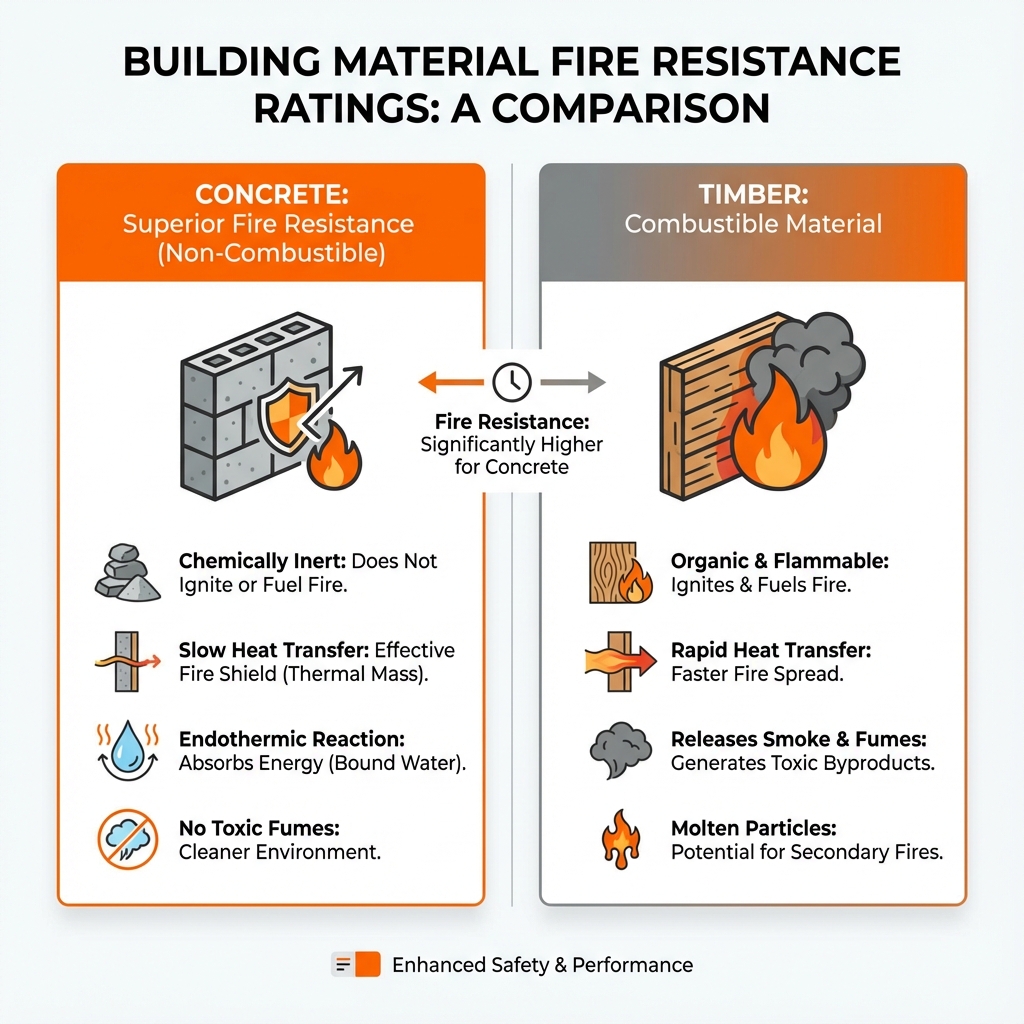
Furthermore, concrete possesses a slow rate of heat transfer. This property, known as thermal mass, allows concrete walls to act as an effective fire shield. When one side of a concrete wall is exposed to intense heat, it takes a considerable amount of time for that heat to penetrate to the other side. This slow transfer of heat is crucial for containing fires, protecting adjacent rooms, and providing valuable time for occupants to evacuate and for emergency services to respond.
What Makes Concrete a Poor Fuel for Fire?
Delving deeper, the properties of concrete make it remarkably impervious to flames. Beyond its non-combustible components, the way concrete is formed and cured plays a significant role. The hydration process, where water chemically combines with cement, creates a dense, stable material. This chemically bound water within the concrete matrix must be driven off by extreme heat before the material itself begins to degrade significantly. This endothermic (heat-absorbing) reaction helps to absorb energy from the fire, further slowing down heat transfer.
Crucially, when concrete is exposed to fire, it does not emit toxic fumes, produce dense smoke, or drip molten particles, which are common hazards with many other building materials. This characteristic is vital for occupant safety, as smoke inhalation is often the primary cause of fatalities in house fires. While any structure containing combustible furnishings will produce smoke, the concrete shell itself remains largely inert, helping to maintain clearer escape routes and safer conditions for firefighters.
Concrete vs. Timber: A Head-to-Head Fire Performance Comparison
To truly appreciate concrete’s fire safety advantages, compare its performance with timber, the most common building material in US residential construction. The contrast is stark, especially when considering the devastating speed at which fires can spread in wood-framed homes.
Feature Concrete Construction Timber Construction Fire Resistance High (3-4+ hours) Low (<1 hour) Combustibility Non-combustible Highly combustible Structural Failure Slow degradation, maintains integrity for longer Rapid charring, quick collapse Heat Transfer Very slow (acts as a shield) Rapid (allows quick fire spread) Smoke Toxicity (Structure) Minimal (from concrete itself) High (from burning wood and finishes) Compartmentalization Excellent (contains fire to origin area) Poor (fire spreads easily through walls/floors) How Long Can Each Material Withstand a Fire?
The statistics paint a clear picture. Concrete walls can generally withstand up to four hours of extreme fire pressure, maintaining structural integrity and acting as a barrier. In contrast, most wood-framed walls would fall in less than an hour. This difference of several hours can be life-saving, providing time for evacuation and mitigating property loss.
In fire-wall tests, solid concrete walls and those constructed with Insulated Concrete Forms (ICFs) have been subjected to continuous gas flames and temperatures reaching up to 2000°F for as long as four hours. Remarkably, none of these concrete walls failed structurally. This demonstrates concrete’s ability to endure conditions far more severe and prolonged than a typical house fire.
The ability of concrete to maintain its structural integrity for extended periods is a critical advantage. It means that even if a fire rages inside a concrete home, the structure is more likely to remain standing, protecting occupants and potentially limiting damage to the area of origin. As detailed in Fire Resistance of Concrete Homes, concrete’s ability to resist the passage of flames and heat for 2 to 4 hours is a testament to its superior performance. This allows for crucial compartmentalization, containing the fire and preventing its rapid spread throughout the entire dwelling.
When “Fire-Resistant” Isn’t “Fire-Proof”: How Concrete Structures Can Fail
While concrete offers exceptional fire resistance, it’s crucial to understand that no material is entirely “fire-proof.” Even concrete structures can experience damage and, under extreme and prolonged conditions, structural failure. This nuanced understanding is vital for a realistic assessment of fire safety.
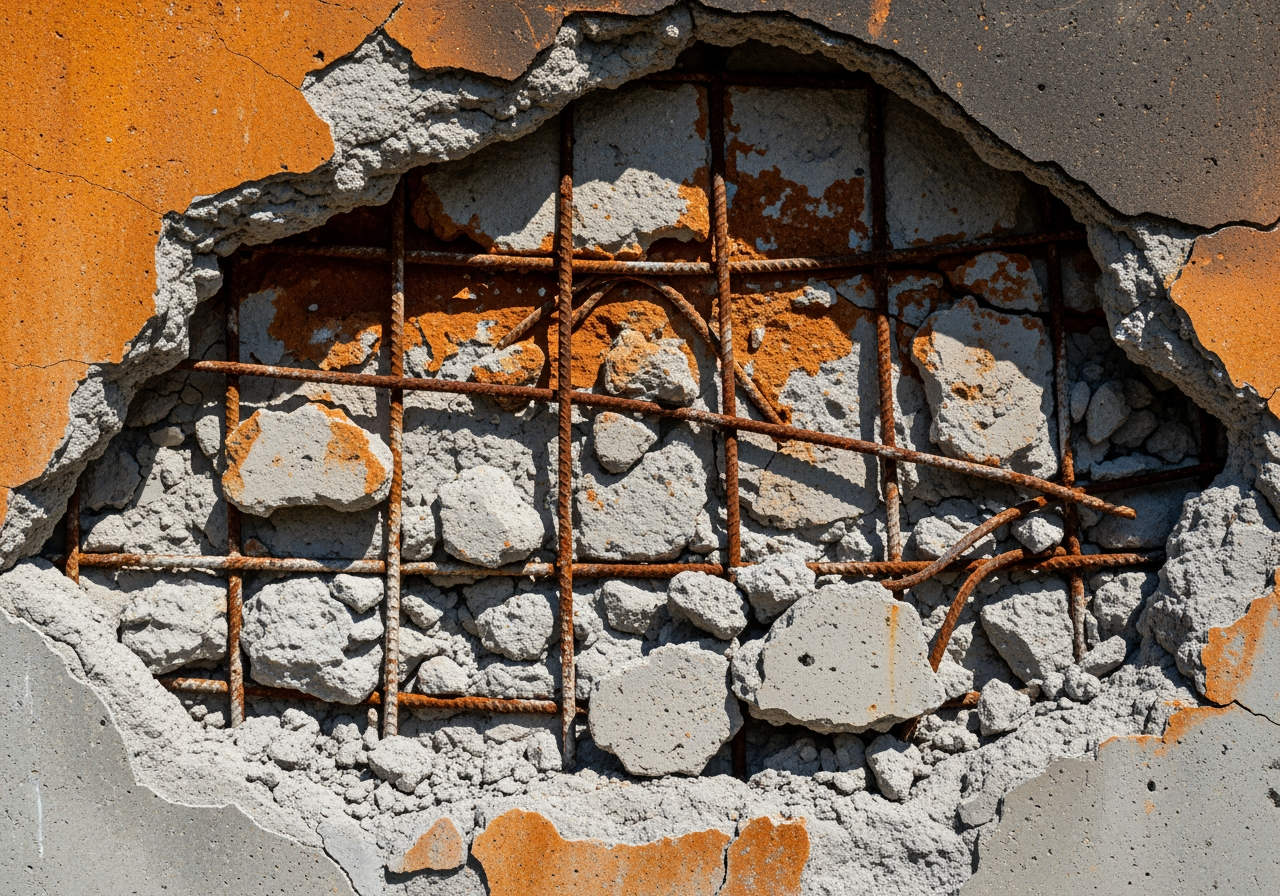
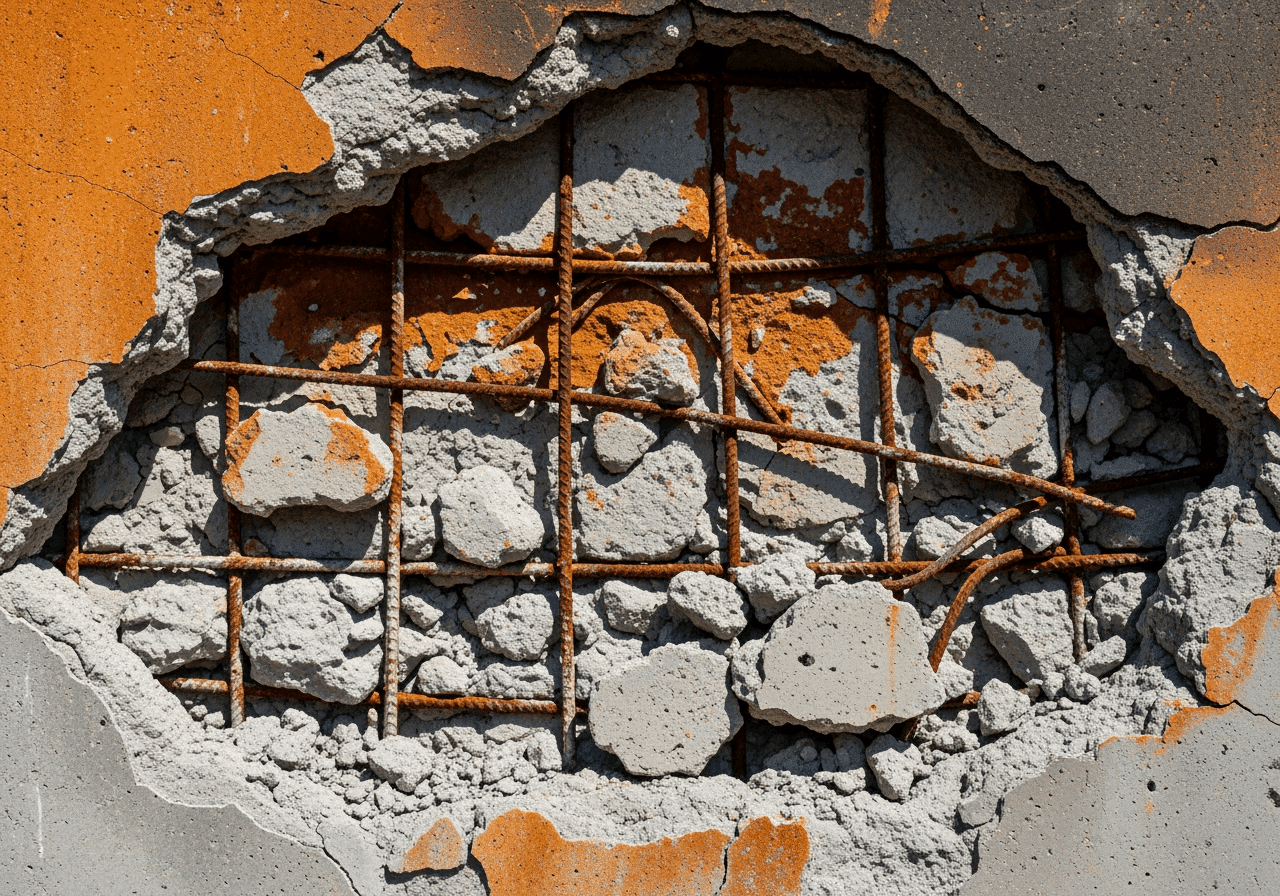
The primary mechanisms of concrete degradation in a fire involve extreme heat causing physical and chemical changes. One common phenomenon is spalling, where layers of concrete flake or burst off the surface. This occurs when the water trapped within the concrete turns to steam under intense heat, creating internal pressure that forces pieces of concrete to break away. While spalling can expose the reinforcing steel (rebar) within the concrete, it doesn’t necessarily mean immediate structural collapse. However, it does reduce the effective thickness of the concrete and its protective capabilities.
Sustained high temperatures also lead to a loss of compressive strength in concrete. At around 1100°F (593°C), concrete can lose about half of its compressive strength, and this loss is often irreversible even after the concrete cools. For a more detailed breakdown of these vulnerabilities, Why Concrete Structures Fail In a Fire offers valuable insights into how seemingly robust materials can succumb to the relentless forces of extreme heat.
The reinforcing steel (rebar) embedded within concrete, crucial for its tensile strength, also has its limitations. The strength of structural steel remains largely unchanged until it reaches about 300°C (570°F). Beyond this point, its strength begins to drop rapidly, losing most of its strength by about 700°C (1300°F). If the concrete cover protecting the rebar spalls away or is insufficient, the steel can heat up quickly, soften, and compromise the structural integrity of the entire element.
Understanding Concrete’s Breaking Point
The degradation of concrete in a fire is a complex process involving dehydration and the breakdown of chemical bonds. The hydration products that give concrete its strength begin to reverse reactions under intense heat, driving off the chemically bound water. This process, as explored in Fire Effects on Concrete – EDT Engineers, can lead to irreversible damage. The cement in concrete, for instance, typically fails in the range of 400°C to 500°C (750°F to 930°F), losing its binding properties.
While concrete’s non-combustibility is a massive advantage, its performance in a real-world fire depends on several factors: the intensity and duration of the fire, the specific concrete mix used, the thickness of the concrete elements, and the presence and protection of reinforcing steel. Even if a concrete structure remains standing after a severe fire, it will likely require a thorough structural assessment. The estimated cost to repair fire damaged house can vary dramatically based on the extent of this structural compromise, potentially ranging from tens of thousands for superficial damage to hundreds of thousands for significant structural repairs. This highlights the importance of expert evaluation post-fire, as even seemingly intact concrete might have suffered hidden damage.
Modern Construction: Enhancing Fire Safety with Insulated Concrete Forms (ICFs)
Modern construction techniques are continually evolving to push the boundaries of fire safety. Insulated Concrete Forms (ICFs) represent a significant advancement, combining the inherent fire resistance of concrete with improved insulation properties. ICFs consist of hollow, lightweight foam blocks (typically made from expanded polystyrene or EPS) that are stacked like LEGOs to create the formwork for walls. Once assembled, these forms are filled with reinforced concrete, creating a solid, monolithic concrete wall that is permanently insulated on both sides.
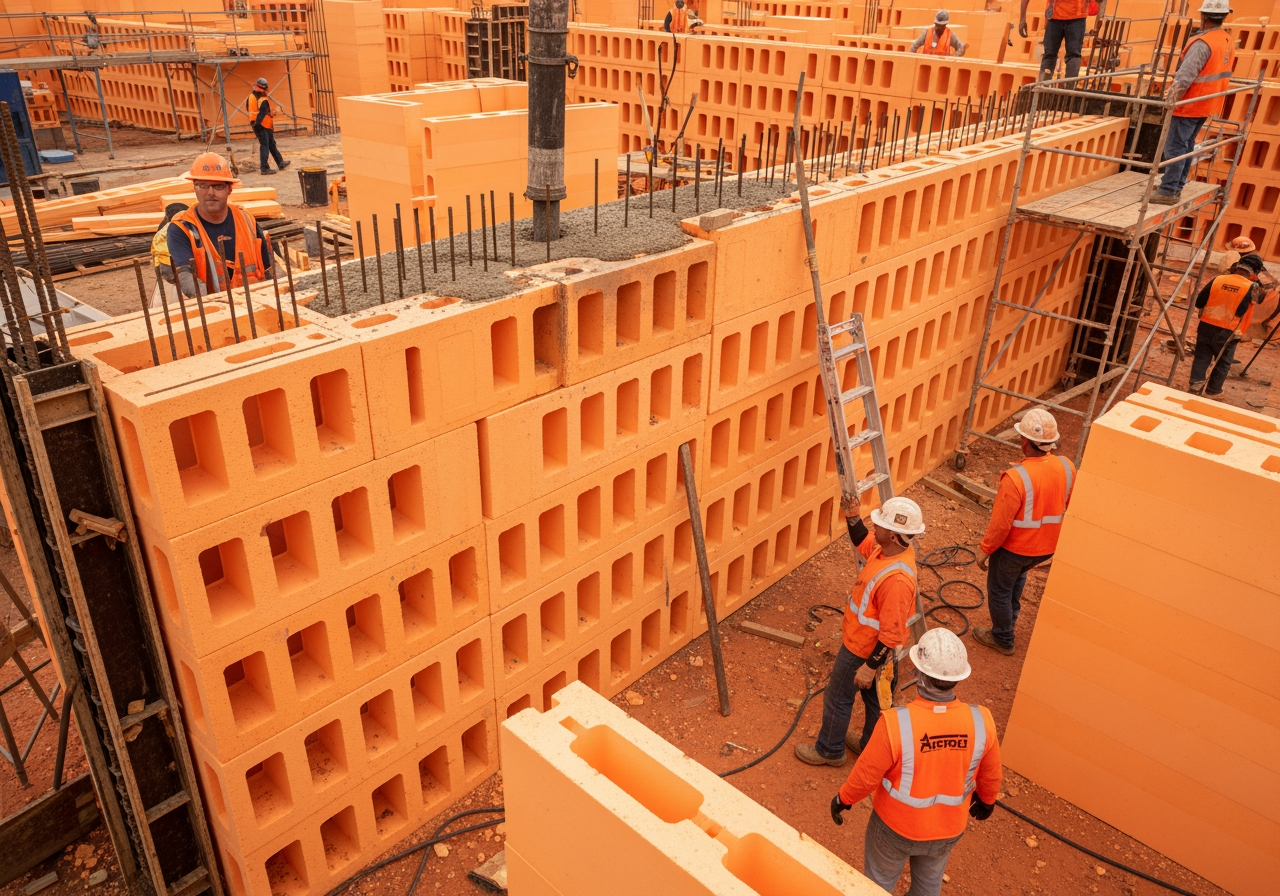
This innovative method leverages concrete’s strengths while adding benefits. The foam insulation provides excellent thermal performance, contributing to energy efficiency, but its role in fire safety is also noteworthy.
How ICFs Boost Fire Resistance
The combination of solid concrete and specialized foam in ICFs significantly improves fire resistance. A finished ICF wall, mudded and taped, provides a solid concrete exterior with an impressive 3-4 hour fire rating. This means it can withstand intense fire exposure for several hours without structural failure or allowing flames to pass through.
The polystyrene foam used in ICFs is manufactured with flame-retardant additives. These additives prevent the foam from sustaining a flame; instead, it tends to melt away when directly exposed to fire. In fire tests, the flame spread for ICF foam is about one-fifth that of wood, significantly reducing the rate at which fire can spread across surfaces. Furthermore, studies have shown that the emissions from burning polystyrene (used in ICFs) are “no more toxic” than smoke from wood-frame housing, addressing a common concern.
Can ICF walls withstand fires? The answer is a resounding yes. In rigorous fire-wall tests, ICF and solid concrete walls were subjected to continuous gas flames and temperatures of up to 2000°F for as long as four hours. None of these ICF or concrete walls failed structurally. This exceptional performance is a key reason why ICFs are increasingly chosen for homes in fire-prone areas.
As highlighted in Building Fire-Resistant Homes with Insulated Concrete Forms (ICF), ICF construction offers a robust solution for homeowners seeking superior protection against fire. The solid concrete core provides an unparalleled barrier, while the flame-retardant foam contributes to overall fire safety, making ICF homes a resilient choice for the future.
The Bigger Picture: Why Aren’t All US Homes Made of Concrete?
Given concrete’s undeniable advantages in fire resistance, durability, and resilience against natural disasters like hurricanes, tornadoes, and floods, one might wonder why it isn’t the predominant building material in the United States. While concrete homes offer numerous long-term benefits, traditional timber construction still dominates the US housing market.
Approximately 17 percent of new homes built in the U.S. are framed in concrete, a modest figure compared to the vast majority built with wood. This preference for timber is deeply rooted in historical, economic, and cultural factors.
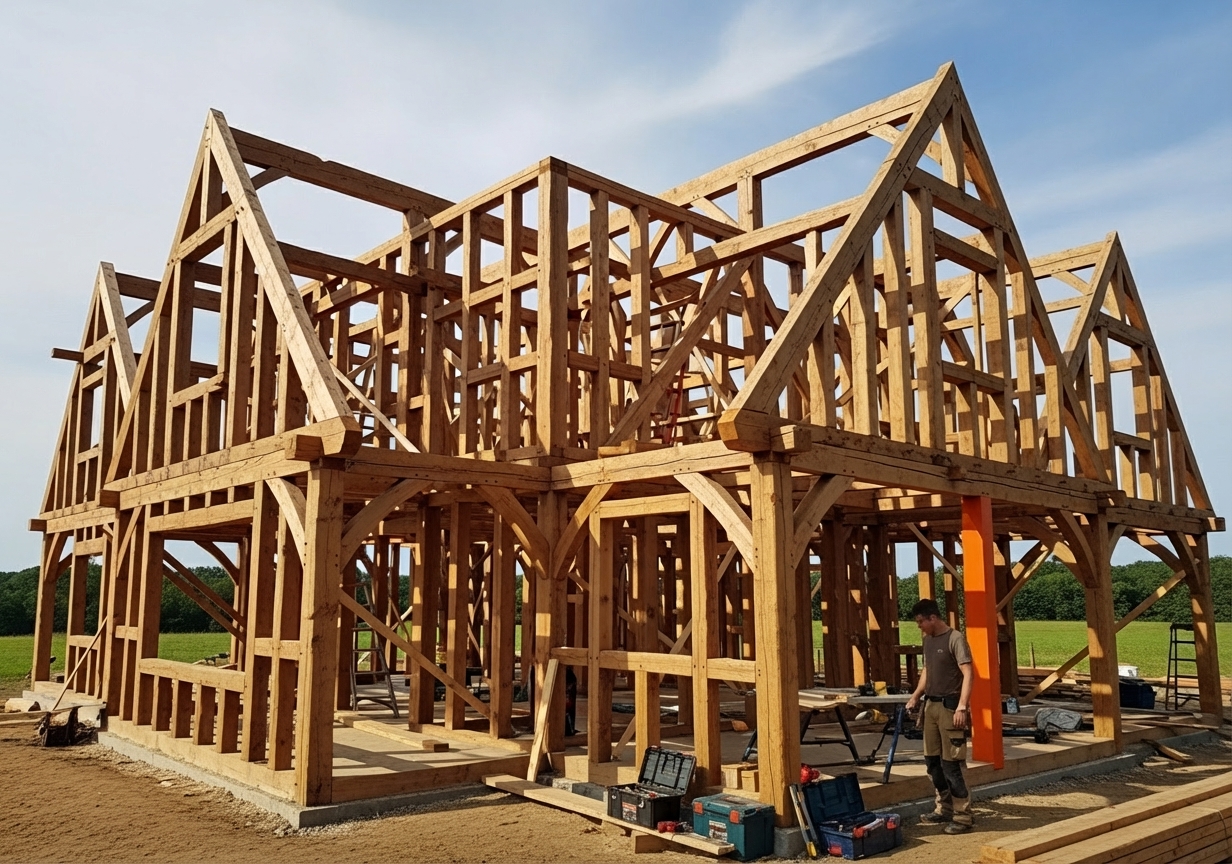
The long-term benefits of concrete construction extend beyond fire safety. Concrete homes are known for their exceptional durability and longevity, often outlasting wood-framed structures. Their thermal mass properties contribute to superior energy efficiency, leading to lower heating and cooling costs over the home’s lifespan. Furthermore, concrete homes often attract lower insurance premiums due to their improved resistance to various hazards. As discussed in Concrete vs. Timber: Rethinking Our Homes in the Face of Wildfires, the increasing frequency of wildfires and other extreme weather events is prompting a re-evaluation of these traditional building practices.
The Trade-Offs: Cost, Tradition, and Labor
The primary reasons for timber’s continued dominance in the US market revolve around:
- Upfront Construction Costs: While concrete homes offer long-term savings, their initial construction costs are generally higher. A new house built using insulating concrete forms, for example, typically costs 4 to 7 percent more than a similar wood-framed house. This upfront investment can be a significant barrier for many homebuyers and builders.
- Skilled Labor and Construction Time: The US construction industry has a well-established infrastructure and workforce trained in wood-frame construction. Building with concrete, especially advanced methods like ICFs, often requires specialized skills and can be perceived as more labor-intensive or time-consuming, although advancements in concrete technology are constantly addressing these concerns.
- Renovation Flexibility: Wood-framed homes are often considered easier and less expensive to modify or renovate. The flexibility to easily move walls or alter layouts is a perceived advantage that has contributed to timber’s popularity.
- American Building Traditions: There’s a strong cultural preference and tradition for wood homes in the US, often associated with aesthetics and a sense of “home.” This emotional connection, coupled with decades of established practices, makes a widespread shift challenging.
Despite these trade-offs, the compelling advantages of concrete, particularly its resilience and safety, are steadily gaining recognition. The 11 Benefits of Concrete House Construction highlight why this material is a smart investment for the future, especially as we face evolving environmental challenges.
After the Fire: Navigating Your Options for a Damaged Property
Even with the superior fire resistance of concrete, it’s a harsh reality that any home can suffer damage in a fire. While a concrete structure is far more likely to remain standing and contain the blaze, the contents within are almost always combustible. This means even a concrete house can experience extensive smoke damage, destruction of personal belongings, and significant water damage from firefighting efforts.
The aftermath of a fire is a chaotic and emotionally draining time. Homeowners are often overwhelmed by the sheer scale of the damage, the complex insurance claims process, and the daunting decisions that lie ahead. A comprehensive house fire damage restoration guide can be an invaluable resource during this period, helping to steer the immediate steps and long-term recovery.
The damage extends beyond what’s visible. Smoke permeates every porous surface, leaving behind corrosive residues and persistent odors. Water used to extinguish the flames can lead to mold growth and further structural issues if not addressed promptly. Even if the concrete shell holds, the interior finishes, electrical systems, plumbing, and insulation will likely require extensive repair or replacement.
To Rebuild or To Sell?
For homeowners facing a fire-damaged property, two primary paths emerge: undertake the restoration process or sell the property as-is.
Restoration involves a complex and often lengthy journey. The scope of fire damage restoration can range from minor cosmetic repairs to a complete gutting and rebuilding of the interior. This process entails:
- Assessment: Professional inspection to determine structural integrity, smoke, and water damage.
- Mitigation: Securing the property, removing debris, and preventing further damage (e.g., mold).
- Cleaning: Specialized cleaning for smoke and soot removal, deodorization.
- Reconstruction: Repairing or replacing damaged structural elements, electrical, plumbing, HVAC, insulation, drywall, flooring, and finishes.
The financial burden of restoration can be substantial. Even for a moderately damaged home, costs can quickly escalate. For example, a house with significant smoke and water damage, requiring extensive cleaning, new drywall, flooring, and paint throughout, might incur costs upwards of $50,000 to $150,000. If structural elements are compromised, or if the entire interior needs to be rebuilt, these figures can easily climb to $200,000 or more, depending on the size and finishes of the home. These figures often don’t account for the hidden costs of temporary housing, increased insurance deductibles, and the emotional toll.
For many, the thought of managing such a project, dealing with contractors, and navigating insurance complexities is simply too much. This is where the option of selling the property “as-is” becomes attractive. For those seeking a faster and less stressful alternative, especially when facing extensive damage or financial constraints, selling fire-damaged property directly to a specialized buyer can be a viable solution. These buyers understand the intricacies of damaged homes, offer a fair cash price, and handle the complexities of repairs themselves, allowing homeowners to move forward without the burdens of rebuilding.
Conclusion
The question “do concrete houses burn?” elicits a nuanced but ultimately reassuring answer: while concrete is not entirely “fire-proof,” it is exceptionally fire-resistant. Its non-combustible nature, slow heat transfer, and ability to maintain structural integrity for hours provide a significant safety advantage over traditional timber construction. Modern techniques like Insulated Concrete Forms (ICFs) further improve these benefits, offering homeowners a robust and resilient building solution.
Despite these clear advantages, concrete has yet to become the dominant residential building material in the US, largely due to factors such as higher upfront costs, established construction traditions, and perceived renovation complexities. However, as we collectively face the increasing threats of wildfires and other natural disasters, the conversation around safer, more resilient construction practices continues to evolve.
Even the most fire-resistant homes can suffer damage from the intense heat, smoke, and water associated with a fire. The aftermath presents homeowners with difficult decisions, from navigating insurance claims to contemplating the extensive process of restoration. For those who find themselves in such challenging circumstances, understanding all available options, including the possibility of a streamlined sale of a damaged property, is crucial for making informed decisions and beginning the journey toward recovery. If you’re facing the aftermath of a fire, understanding your options is the first step toward recovery.