

Mastering Home Climate: The Role of HVAC Systems
The heart of indoor comfort lies within our heating, ventilation, and air conditioning (HVAC) systems. These complex setups are responsible for maintaining optimal temperatures, managing humidity, and ensuring good air quality throughout our homes. Beyond mere comfort, a well-designed and efficiently operating HVAC system plays a critical role in our overall well-being and energy consumption. We understand that a comfortable home is a healthy home, and the proper climate control is fundamental to achieving this.
The global smart home market, driven significantly by energy management and climate control, is projected to reach substantial figures, indicating the growing importance homeowners place on these systems. In fact, energy management and control accounted for 27.5% of the total smart home market revenue in 2022. This highlights the crucial role these systems play in both comfort and financial savings. A well-maintained setup is a key part of effective home climate control, and Airflow’s Home Systems help ensure both comfort and energy efficiency.

Core Components of Your Climate Home Systems
Modern HVAC systems are sophisticated networks of interconnected components, each playing a vital role in delivering conditioned air. Understanding these parts helps us appreciate how they work together to create our ideal indoor environment.
- Heating Units: These are responsible for warming our homes during colder months.
- Furnaces: Often fueled by natural gas, propane, or electricity, furnaces heat air and distribute it through a system of ductwork. They are a common and reliable choice, known for their rapid heating capabilities.
- Heat Pumps: These versatile systems can both heat and cool a home by transferring heat from one area to another. In winter, they extract heat from the outside air (even cold air contains some heat) and transfer it indoors. In the summer, they reverse the process, moving heat from the inside to the outside. This thermal transfer mechanism makes them highly energy-efficient, especially in moderate climates.
- Cooling Units: When temperatures rise, these systems provide much-needed relief.
- Air Conditioners: Traditional central air conditioning systems work by removing heat and humidity from indoor air and releasing it outside. They use refrigerants to cool the air, which is then circulated throughout the home via ductwork.
- Mini-Split Systems: Also known as ductless systems, mini-splits are an excellent alternative for homes without existing ductwork or for specific zones. They consist of an outdoor compressor unit and one or more indoor air handlers, offering precise temperature control for individual rooms or areas.
- Ventilation: Proper ventilation is crucial for indoor air quality and comfort.
- Ductwork: This network of channels distributes heated or cooled air throughout the home. Its design and integrity are paramount to efficient operation; leaks or poor insulation can lead to significant energy loss.
- Air Quality Filters: Integrated within the HVAC system, these filters capture dust, pollen, pet dander, and other airborne particles, contributing to healthier indoor air. High-efficiency filters can significantly improve indoor air quality, a growing concern for many homeowners.
The Importance of Smart Control and Maintenance
The evolution of HVAC technology has brought us smart controls that revolutionize how we manage our home climate. These innovations not only enhance convenience but also significantly contribute to energy savings and system longevity.
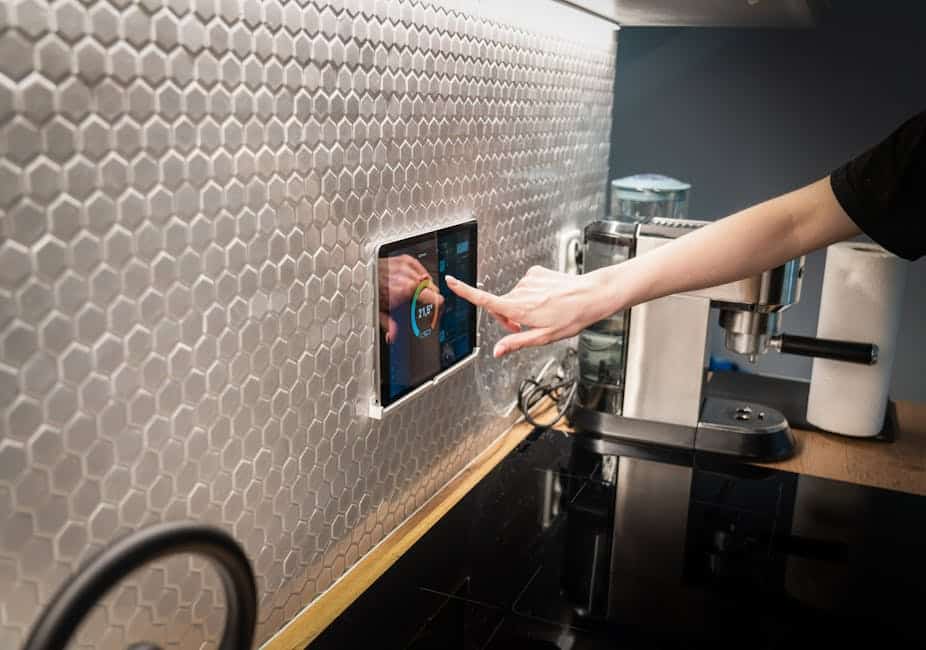
- Smart Thermostats: These devices offer more than just basic temperature control. They learn our preferences, adapt to our schedules, and can be controlled remotely via smartphone apps. Many smart thermostats offer features like geofencing, which adjusts temperatures based on whether we are home or away, and energy usage reports, helping us identify opportunities for savings. Programmable schedules enable us to assign different temperatures at various times of the day, providing comfort when necessary and promoting efficiency when not.
- Remote Access: The ability to adjust our home’s temperature from anywhere is a significant convenience. Whether we’re heading home from work, on vacation, or forgot to adjust the thermostat before leaving, remote access ensures our homes are always comfortable upon arrival and that we’re not wasting energy when away.
- Energy Savings: Smart controls are potent tools for energy efficiency. By optimizing heating and cooling cycles, learning our habits, and providing detailed insights, they can significantly reduce our utility bills. Statistics show that energy management and control is the largest segment of the smart home market, underscoring its financial benefits.
- Regular Servicing: Just as a car requires routine maintenance to perform optimally and extend its lifespan, an HVAC system also needs regular servicing. Professional tune-ups ensure all components are functioning correctly, identify potential issues before they become significant problems, and maintain peak energy efficiency. This proactive approach prevents costly breakdowns, improves air quality, and ensures the system operates quietly and effectively for many years.
Securing Your Perimeter: A Guide to Fencing Systems
While HVAC systems manage our indoor environment, fencing systems define and protect our outdoor spaces. A well-chosen and professionally installed fence serves multiple purposes: it improves security, provides privacy, boosts curb appeal, and adds significant value to our property. We believe that a secure perimeter is the first line of defense for any home, offering peace of mind and protecting our loved ones and possessions.
Fencing is more than just a boundary; it’s an integral part of our home’s overall security and aesthetic. For a durable and effective barrier, professional installation of home fencing systems is crucial for long-term performance. This ensures that the fence withstands the elements, adheres to local regulations, and provides the intended level of security and privacy.

Choosing the Right Materials for Your Needs
The choice of fencing material depends on several factors, including desired aesthetics, maintenance requirements, budget, and specific security or privacy needs.
- Wood: Offering a classic, natural look, wood fences are highly customizable in terms of style, height, and finish. They provide excellent privacy and can significantly improve a property’s aesthetic. However, they require regular maintenance, such as staining or painting, to prevent rot and weathering.
- Vinyl: A popular choice due to its low maintenance and durability, vinyl fencing comes in various styles that mimic the look of wood without the upkeep. It resists rot, pests, and fading, making it a long-lasting option that retains its appearance with minimal effort.
- Aluminum: Known for its neat appearance and rust-proof properties, aluminum fencing is an excellent choice for decorative purposes or to enclose pools. It offers security without obstructing views and is virtually maintenance-free. While it may not provide complete privacy, its neat and sophisticated look adds significant curb appeal.
- Chain-Link: This material is a cost-effective and highly secure option, particularly for defining large areas or for pet containment. While not as aesthetically appealing as other options, modern chain-link fences can be coated in various colors to blend more seamlessly with the landscape. Its durability and low cost make it a practical choice for many homeowners.
Integrating Technology for Improved Security
Modern fencing systems can be improved with smart technology to create a truly integrated and responsive perimeter security solution. These technological advancements provide greater control, monitoring capabilities, and deterrence against potential threats.
- Automated Gates: Controlled remotely via smartphone, keypad, or even voice commands, automated gates offer convenience and improved security. They can be programmed to open for authorized vehicles or individuals, and sensors can prevent them from closing on obstacles.
- Smart Locks: For pedestrian gates or access points, smart locks provide keyless entry and remote management. We can grant temporary access to visitors or service providers, monitor entry and exit times, and receive alerts if the gate is left open or tampered with.
- Access Control Systems: Beyond simple locks, comprehensive access control systems can manage multiple entry points and integrate with smart home platforms. These systems can use keypads, fingerprint scanners, or even facial recognition for highly secure and convenient access management.
- Integrated Security Cameras: Strategically placed cameras along the fence line or at gates provide visual monitoring of the perimeter. These cameras can be integrated with our home security system, offering live feeds, motion-triggered recording, and alerts to our smartphones.
- Motion-Sensor Lighting: Illuminating dark areas around the fence or gates when motion is detected serves as a powerful deterrent to intruders. Smart lighting can be programmed to turn on at specific times, react to motion, or integrate with other security components to create a comprehensive defense.
The Integration of Modern Home Systems
The true power of modern home technology emerges when individual systems are integrated into a unified, intelligent ecosystem. Instead of managing separate apps for our thermostat, security cameras, and lighting, a unified home system brings everything under one intuitive control interface. This integration offers unparalleled convenience, improved security, and a more responsive living environment. The smart home market is booming, with smart home devices expected to reach 1.5 billion units globally by 2025, underscoring the shift towards interconnected living. The average smart home user already has 10 connected devices, highlighting the demand for seamless integration.

How Different Systems Work Together
When our home systems communicate and cooperate, they create powerful automations that simplify daily life and improve our safety.
- “Home” and “Away” Scenes: Imagine leaving for work, and with a single command or automated trigger, your home switches to an “Away” scene. The thermostat adjusts to an energy-efficient setting, lights turn off, doors lock, security cameras activate, and the gate of the perimeter fence secures itself. When you return, a “Home” scene reverses these actions, welcoming you back to a cozy, well-lit, and secure environment.
- Geofencing Triggers: Our smartphones’ locations can act as triggers. As we approach our home, geofencing can automatically adjust the thermostat, turn on exterior lights, or even open the automated gate, providing a seamless arrival experience.
- Voice Commands: Central hubs and smart speakers (a market projected to reach $15.9 billion by 2027) act as the command center for our integrated systems. With simple voice commands, we can adjust the temperature, arm the security system, turn on specific lights, or check the status of our perimeter.
- Central Hubs and Smart Speakers: Devices like smart displays or dedicated home hubs serve as the brain of our smart home, coordinating actions between various devices and platforms. They provide a centralized interface for monitoring and control, often integrating with popular voice assistants.
Customizing Your Security and Comfort Home Systems
The beauty of an integrated home system lies in its ability to be customized precisely to our individual lifestyles and needs. This personalization transforms a collection of smart devices into a brilliant home that adapts to us.
- Personalized Schedules: Beyond basic programming, we can create intricate schedules that reflect our daily routines. For example, our bedroom lights might gradually brighten before our alarm, the coffee maker starts brewing, and the bathroom fan turns on, all synchronized to our waking hours.
- User-Defined Rules and Automation Routines: The “if this, then that” (IFTTT) logic allows for endless possibilities. If a security camera detects unusual activity near the fence at night, exterior lights can flash, and an alert is sent to our phone. If the indoor temperature drops below a certain point, the heating system can automatically activate.
- Lifestyle Adaptation: As our lives change, our home systems can evolve with us. New devices can be added, and existing automations can be modified to suit new routines, family members, or personal preferences.
- Future-Proofing with Matter Protocol: Emerging standards, such as the Matter protocol, are designed to enhance interoperability between smart home devices from different manufacturers. This trend means that our investments in smart home technology are more likely to remain compatible and expandable in the future, allowing for greater flexibility and choice in building our ideal integrated home. The integration of AI and machine learning is also a key trend, enabling more personalized and proactive experiences.
Security and Privacy Considerations for Interconnected Home Systems
As our homes become more interconnected, address the security and privacy implications. We recognize that convenience should never come at the expense of safety.
- Data Encryption and Secure Networks: All data transmitted between smart devices, hubs, and cloud services should be encrypted to prevent unauthorized access. Using strong Wi-Fi passwords and securing our home network are fundamental steps.
- Regular Software Updates: Device manufacturers frequently release software updates to patch vulnerabilities. We must ensure that all our smart devices, including thermostats, cameras, and hubs, are kept up-to-date.
- Strong Passwords and Multi-Factor Authentication: Protecting our smart home accounts with unique, complex passwords and enabling multi-factor authentication adds a crucial layer of security.
- Privacy Settings Review: We should regularly review the privacy settings of our smart devices and associated apps. Understanding what data is being collected, how it’s used, and with whom it’s shared is vital. Many devices offer options to limit data collection or restrict access to sensitive information.
- Physical Security of Devices: Securing physical access to smart home hubs and critical devices prevents tampering. For example, ensuring our smart thermostat is securely mounted and not easily removed.
- Professional Installation and Configuration: The role of professional integrators extends to ensuring the secure setup of interconnected systems. They can implement best practices for network security, device pairing, and privacy configurations, minimizing potential risks.
Frequently Asked Questions about Home Comfort and Security
Homeowners often ask about integrated home systems. Below are some of the most frequently asked questions and their answers.
How often should I have my HVAC system serviced?
For optimal performance, energy efficiency, and longevity, we recommend a professional HVAC inspection and tune-up at least once a year. Ideally, this should be done twice a year – once in the spring for the cooling system and once in the fall for the heating system. Regular maintenance includes cleaning coils, checking refrigerant levels, inspecting electrical components, and lubricating moving parts to ensure optimal performance. This proactive approach helps to prevent unexpected breakdowns, ensures the system runs efficiently, and maintains healthy indoor air quality by ensuring filters are clean and ventilation is clear. Don’t forget to change air filters every 1-3 months, or more frequently if you have pets or allergies.
What are the main benefits of a professionally installed fence?
While DIY fencing might seem appealing, professional fence installation offers numerous advantages. Experts ensure that the fence has proper footing and structural integrity, which is crucial for withstanding weather conditions and providing long-term security. They are also knowledgeable about material longevity and can advise on the best options for our specific climate and needs. Crucially, professionals ensure adherence to local building codes and regulations, avoiding potential legal issues. The result is a more secure, durable, and aesthetically pleasing fence that significantly improves property value and provides superior protection compared to a less robust, self-installed alternative.
Can I add innovative features to my existing home systems?
Absolutely! Many existing home systems can be retrofitted with smart features. For older HVAC systems, installing a smart thermostat is a straightforward upgrade that provides remote control, intelligent scheduling, and energy monitoring capabilities. Similarly, traditional gates can often be automated with smart controllers and integrated with smart locks for improved access control. Security cameras and motion-sensor lighting can be added to existing perimeters. The key is to choose smart devices that are compatible with each other or integrate with a standard smart home platform, allowing us to build an interconnected system gradually. This modular approach makes smart home technology accessible to a broader range of homeowners, regardless of their current setup.
Conclusion: Creating a Cohesive and Comfortable Home
Our homes are more than just structures; they are sanctuaries where we seek comfort, security, and a sense of peace of mind. By adopting a holistic approach to home systems, we can transform our living spaces into environments that truly cater to our needs. The combination of advanced HVAC climate control solutions and strong fencing for perimeter security forms a powerful synergy, improving our comfort and peace of mind.
Thoughtful planning, whether we’re upgrading existing systems or designing a new home, is paramount. Considering how each component interacts with others – from smart thermostats coordinating with air quality sensors to automated gates linking with security cameras – allows us to build a truly intelligent dwelling. This integrated approach not only delivers immediate benefits in terms of convenience and control but also adds long-term value to our property and contributes to a more sustainable lifestyle through energy efficiency.
A cohesive and comfortable home is one where technology works seamlessly in the background, anticipating our needs and protecting what matters most. We are committed to helping homeowners achieve this ideal, ensuring their living environments are as efficient, secure, and comfortable as possible.