

Introduction: That Gurgling Sound Isn’t a Good Sign
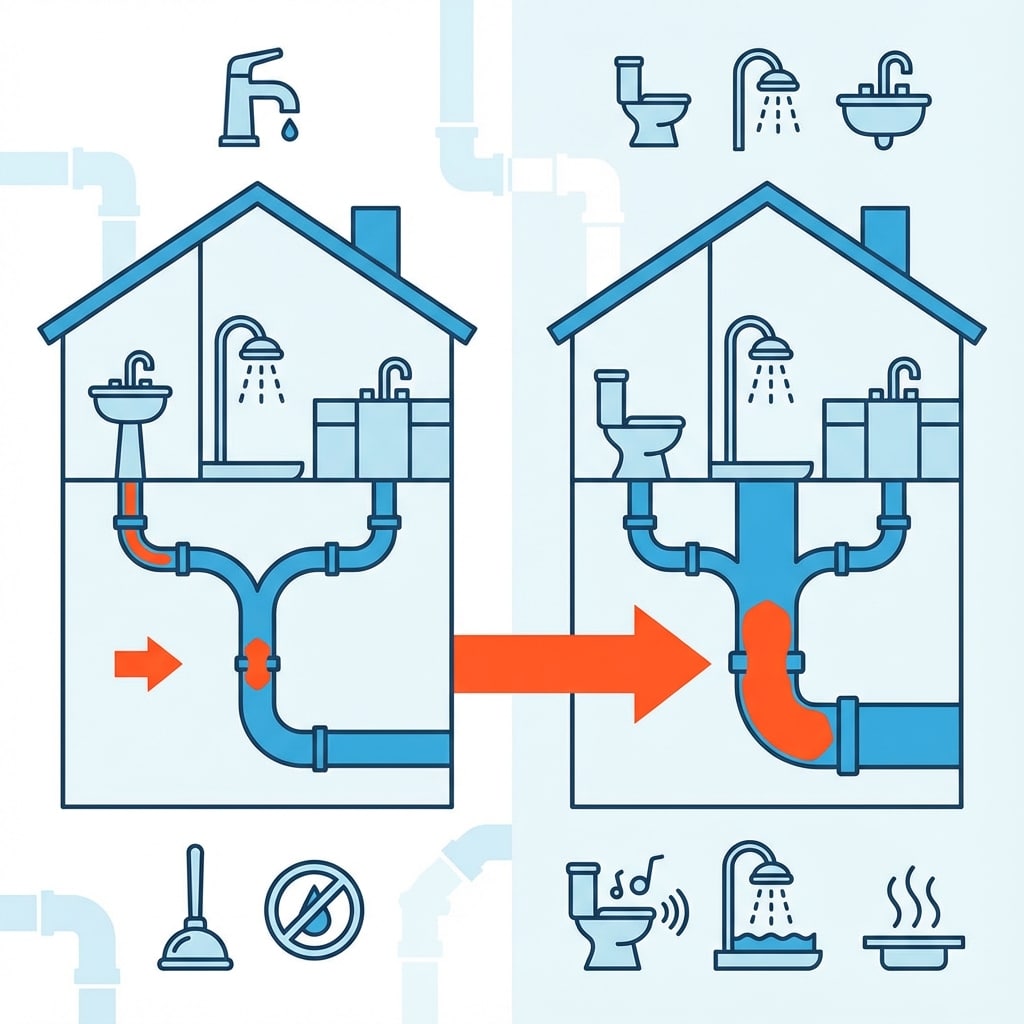
 Few home nuisances are as unsettling as a clogged main sewer line. That gurgling sound in your toilet, the slow-draining shower, or worse, water backing up where it shouldn’t- these are clear signals that your home’s central plumbing artery is struggling. Ignoring these signs can lead to significant damage and costly repairs.
We understand how daunting this problem can seem. But don’t despair. In this comprehensive guide, we will walk you through the essential steps to diagnose, address, and prevent a clogged sewer line. We will cover everything from identifying the telltale signs of a main line blockage to practical DIY solutions. We will also discuss knowing when to call in the professionals for more complex issues. For instance, sometimes a modern trenchless clogged sewer fix is the most effective solution. Our goal is to empower you with the knowledge to bring your plumbing system back to full flow, ensuring a healthier and happier home.
Who This Article Is For
This guide is designed for:
- Homeowners with older homes (pre-1990): Your plumbing systems may be more susceptible to wear and tear, root intrusion, and material degradation.
- Properties with large, mature trees: Tree roots are notorious for seeking out moisture in sewer lines, which can lead to blockages and damage.
- Anyone experiencing multiple slow drains at once: This is a key indicator of a main sewer line issue, rather than an isolated clog in a single drain.
- DIY-inclined but cautious homeowners: We’ll provide steps you can take yourself, along with crucial advice on when to call in the experts.
Is It Your Drain or Your Main Sewer Line? Key Warning Signs
Diagnosing whether you have a simple drain clog or a more serious main sewer line blockage is the first critical step. A single slow-draining sink may require a plunger, but if multiple fixtures are experiencing issues, you’re likely dealing with a problem deeper within your system.
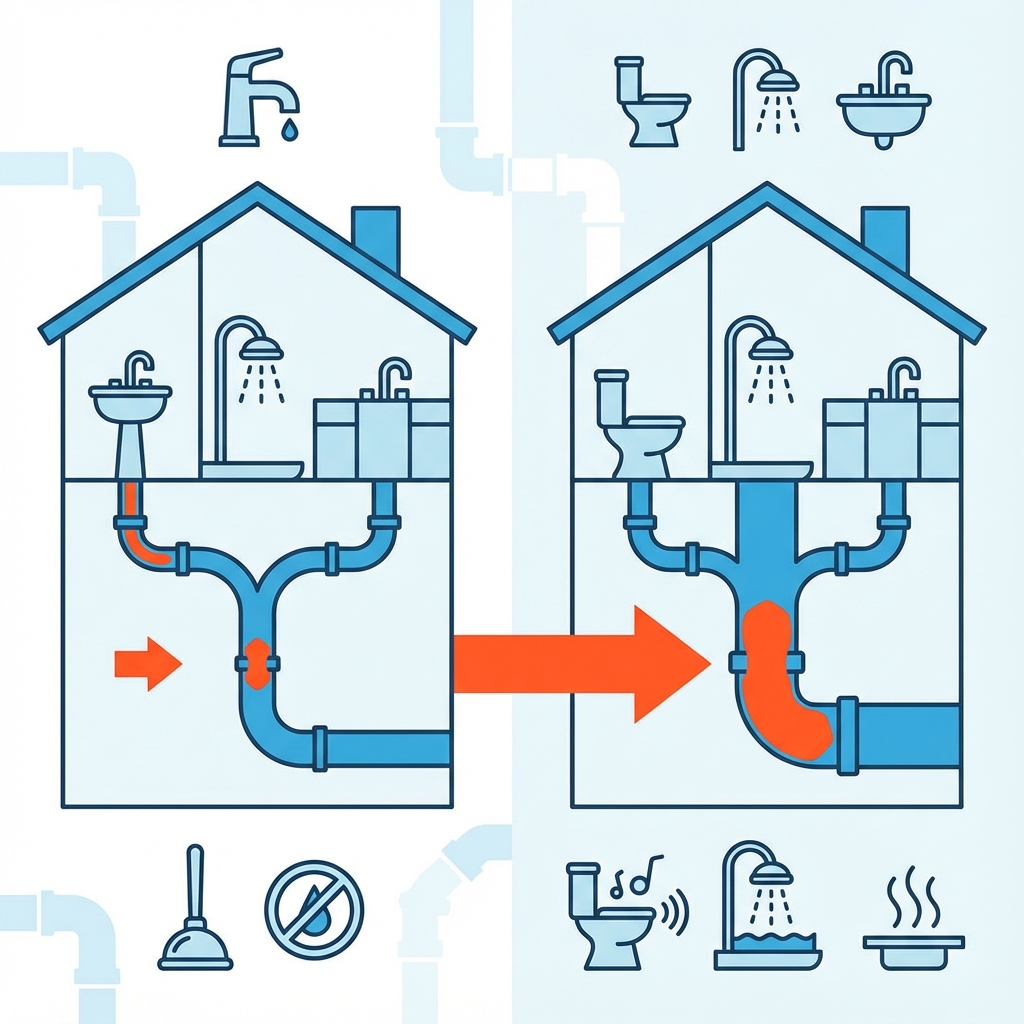
Your home’s drain lines are designed like a tree, with smaller branch lines from individual fixtures feeding into a larger main sewer line, which then carries all wastewater away from your home to the municipal sewer system or a septic tank. When the “trunk” (your main sewer line) gets blocked, it affects everything connected to it.
A Quick Symptom Checklist
Here are the telltale signs that suggest your main sewer line is clogged:
- Multiple drains backing up or draining slowly: This is the most significant indicator. If your toilet, shower, and kitchen sink are all clogged simultaneously, it indicates a central blockage.
- Gurgling sounds from toilets or drains: These noises often occur when air is trapped in the plumbing system due to a blockage, struggling to pass through the obstruction.
- Unpleasant sewage smells inside or outside: A persistent foul odor indicates that wastewater isn’t flowing away properly and sewer gases are escaping.
- Water backing up in a floor drain or shower when a toilet is flushed: If flushing a toilet causes water to rise in your shower or a basement floor drain, it means the wastewater has nowhere else to go.
- Fluctuating toilet water levels: Inconsistent water levels in your toilet bowl can also signal a main line issue.
- Drainage issues appear in the sewer cleanout: If you have a sewer cleanout access point (a capped pipe, usually located outside your home or in the basement), and you see standing water or sewage in it, you almost certainly have a main line clog.
How This Solves Your Problem
Understanding these signs helps you:
- Diagnose the problem: Accurately identifying whether it’s a drain or sewer line clog prevents wasted effort on the wrong fix. This is the fundamental difference between a localized clogged drain clearing and a systemic sewer line issue.
- Explain the causes: Pinpointing the type of clog often leads to understanding its origin.
- Outline your repair options: Knowing the scope of the problem helps you choose the most effective and appropriate solution.
- Know when to DIY vs. call a professional: This distinction is crucial for both safety and effectiveness.
What’s Causing the Blockage? Common Culprits in Triad Homes
Understanding the root cause of your sewer line clog is essential for both effective repair and future prevention. While many factors can contribute, some are more common than others, especially in areas with specific environmental conditions, such as clay soil.
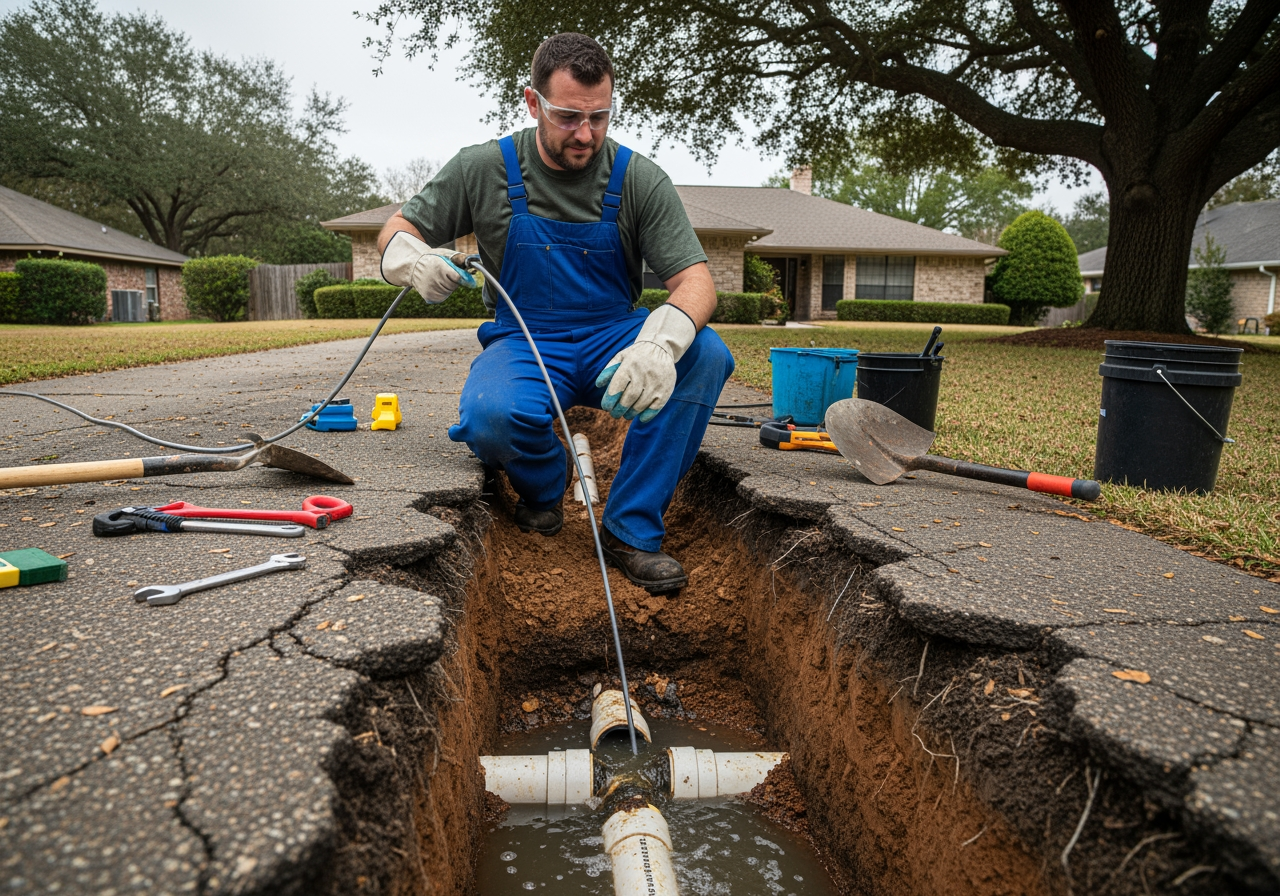
- Tree Roots: Nature’s persistent seekers, tree roots are a primary cause of sewer line clogs. They are naturally drawn to the moisture and nutrients within sewer pipes. Even the tiniest crack or loose joint in your sewer line can become a point of entry. Once inside, they grow, forming dense masses that trap debris and eventually block the pipe entirely. This is particularly prevalent in older homes with clay or cast-iron pipes, and in regions with expansive clay soil, where tree roots can exert significant pressure on the pipes.
- Aging Pipes: Many homes, especially those built before 1980, still rely on older pipe materials, such as clay or cast iron. These materials are more susceptible to cracking, corrosion, and collapse over time. Clay pipes can lose their structural integrity due to ground movement, while cast iron pipes rust from the inside out. These degraded pipes create rough surfaces where debris can become lodged, and structural failures can result in complete blockages.
- Grease Buildup: Pouring cooking grease, oils, and fats down your kitchen drain is a recipe for disaster. While liquid when hot, these substances cool and solidify in your pipes, adhering to pipe walls and gradually narrowing the diameter. Over time, this sticky buildup traps other debris, leading to stubborn and extensive clogs.
- Flushing Non-Flushable Items: The “flushable” label on many wipes is often misleading. Items like baby wipes, paper towels, feminine hygiene products, cotton swabs, dental floss, and even excessive amounts of toilet paper do not break down easily in water. They accumulate in your sewer line, forming significant, impenetrable blockages. American homeowners spend over $1 billion annually dealing with clogged pipes from improperly flushed items.
- Pipe Collapse or Damage: Beyond aging, sewer lines can be damaged by shifting soil, heavy construction equipment, or even severe weather. A collapsed section of pipe creates an immediate and complete blockage, preventing any wastewater from flowing through. This often requires significant repair.
- Heavy Rain and Flooding: Although not a direct cause of clogs, heavy rainfall can exacerbate existing issues. If municipal sewer systems are overwhelmed, or if your home’s pipes are already partially blocked, the increased water volume can lead to backups. During major storms, emergency calls for sewer backups can spike dramatically.
Understanding these common culprits helps us approach the problem strategically, moving from diagnosis to a lasting solution.
Your Step-by-Step Guide to a Clogged Sewer Line Fix
When faced with a main sewer line clog, a DIY approach can be practical for some issues, provided you proceed with caution and the right tools. Safety is paramount.
Safety First
Before you begin, gather your protective gear:
- Heavy-duty work gloves: Protect your hands from sewage and sharp auger cables.
- Safety goggles: Shield your eyes from splashes.
- Long-sleeved clothing: Minimize skin exposure.
- Old towels or rags: Place these around your workspace to contain spills and mess.
- Turn off the water supply: If you suspect a clog, avoid using any water in your home to prevent further backups. In an emergency, locate and shut off your main water valve.
Locating the Main Cleanout
Your main sewer cleanout is the most direct access point to your main sewer line. It’s typically a capped pipe, usually 3 to 4 inches in diameter, located either outside your home near the foundation, in your basement, or sometimes in a utility room. This cap prevents dangerous sewer gases from entering your home.
Simple DIY Methods to Try First
These methods are best for minor clogs or as initial steps to assess the situation.
- Hot Water Flush: For clogs caused by grease or soap scum, a simple hot water flush can sometimes help. Boil several gallons of water (8 cups, according to one source, but for a central line, you may need more), and slowly pour it down the affected drain. If it drains slowly, repeat. Be cautious with PVC pipes or porcelain sinks, as extreme heat can cause damage.
- Baking Soda and Vinegar: This classic household remedy can tackle minor organic clogs. Pour one cup of baking soda down the drain, followed by one cup of white vinegar. The mixture will fizz and expand, helping to break down grime. Let it sit for 15-30 minutes, then flush with hot water. This is a gentle approach and won’t harm your pipes.
- Plunger Techniques: A heavy-duty plunger can be effective for clogs in toilets, sinks, or tubs. Ensure a tight seal around the drain, then plunge vigorously for 15 to 20 seconds. The suction and pressure can dislodge minor blockages. If plunging one fixture doesn’t work, try others, especially if multiple are affected.
- Why Avoid Harsh Chemicals: While tempting, chemical drain cleaners are generally not recommended for clogs in the main sewer line. They are rarely powerful enough to break up major blockages and can contain corrosive substances that damage older pipes, especially those made of cast iron or PVC. They can also create hazardous fumes and make professional repairs more dangerous if the chemicals remain stagnant in the pipe.
Using a Plumbing Auger (Snake)
A professional-grade plumbing auger, also known as a drain snake, is the most effective DIY tool for clearing clogs in main sewer lines. You can rent one from a local hardware store or purchase one if you anticipate frequent issues.
Tools Needed:
- Professional-grade auger/plumbing snake (with a cable at least ¾ to 1 inch in diameter for a central line)
- Pipe wrench or cleanout plug wrench
- Garden hose
- Protective gear (gloves, goggles)
How to Use a Snake Safely:
- Prepare the Area: Lay down tarps or old towels around the cleanout to catch any sewage or debris.
- Remove the Cleanout Cap: Use a pipe wrench to loosen and carefully remove the cleanout cap. Be prepared for a rush of wastewater if the pipe is full. Allow any backed-up water to drain.
- Feed the Auger: Slowly feed the auger cable into the cleanout opening. As you encounter resistance, rotate the auger handle (or engage the motor on an electric model) to help the cable steer bends and break through the clog. Continue feeding the cable until you feel it hit the blockage.
- Clear the Clog: Once you hit the clog, work the auger back and forth, rotating it to break up or hook onto the obstruction. You’ll often feel the resistance ease as the clog begins to clear.
- Confirm Clearance: Once you believe the clog is clear, slowly retract the auger a few feet, then feed it forward again to ensure the path is clear. Turn on a faucet inside your home to run water down the drain. If it drains freely, the clog is likely gone. Use your garden hose to flush water through the cleanout and clean the auger cable as you retrieve it.
- Retrieve and Replace: Slowly pull the auger cable out, cleaning it with the hose as you go. Once the entire cap is removed, replace it and securely tighten the cleanout cap.
Limitations of DIY Snaking:
While effective for many clogs, DIY snaking has limitations:
- Tree Roots: Standard augers may not be powerful enough to cut through dense tree roots. They might poke a hole through the root mass, providing temporary relief, but the roots will quickly regrow and cause another clog.
- Damaged Pipes: An auger cannot fix a collapsed or broken pipe. Forcing an auger into a damaged pipe can cause further issues.
- Inexperience: Improper use of an auger can damage pipes or cause injury.
When to Pause and Get Help
Knowing your limits is crucial. You should pause your DIY efforts and call a professional plumber if:
- DIY methods fail: If plunging, baking soda/vinegar, or snaking doesn’t clear the clog after a few attempts.
- You suspect broken pipes or heavy root intrusion: Signs include persistent clogs, gurgling after snaking, or wet spots in your yard.
- You’re not comfortable: Dealing with sewage and powerful equipment can be intimidating. It’s always better to call an expert if you feel unsure.
- The clog is deep or recurrent: Recurring clogs often indicate a more serious underlying issue that requires professional diagnosis and repair.
For a comprehensive approach to addressing deeper issues, consider consulting a professional for an expert diagnosis, including a sewer drain camera inspection in Winston-Salem.
When DIY Isn’t Enough: The Modern Trenchless Clogged Sewer Fix
Sometimes, a simple snake or chemical solution isn’t enough to resolve a persistent or severe sewer line clog. This is often the case when the problem isn’t just a blockage, but actual damage to the pipe itself. For these more complex issues, modern plumbing offers advanced solutions, particularly trenchless technologies, that can provide a permanent fix with minimal disruption to your property.
These professional solutions go beyond just clearing a blockage; they address the structural integrity of your sewer line.
Beyond Simple Clogs
You’ll likely need professional intervention if your clog is due to:
- Broken or Collapsed Lines: Older pipes, particularly those made of clay or cast iron, can crack, shift, or collapse completely due to ground movement, age, or external pressure.
- Severe Root Intrusion: While a basic snake might temporarily clear a path through roots, a dense root ball will quickly regrow and cause recurring clogs. Professional methods are needed to remove them effectively and prevent recurrence.
- Persistent Grease Buildup: Years of grease accumulation can create a hardened lining within pipes that standard snaking can’t entirely remove, leading to reduced flow and frequent blockages.
What is Trenchless Pipe Lining (CIPP)?
One of the most advanced advancements in sewer repair is Cured-in-Place Pipe (CIPP) lining. This “no-dig” technology allows plumbers to repair damaged sewer lines from the inside, eliminating the need for extensive excavation.
The process involves inserting a flexible, resin-saturated liner into the existing damaged pipe through a small access point. Once in place, the liner is inflated and allowed to cure, creating a new, seamless, and durable pipe within the old one. This new pipe is corrosion-resistant and features a smooth surface, enhancing flow and preventing future root intrusion.
The Benefits of a Trenchless Clogged Sewer Fix

The advantages of trenchless repair methods are significant:
- Minimal Yard Disruption: This is perhaps the biggest benefit. Instead of digging up your entire yard, driveway, or landscaping, trenchless methods require only one or two minor access points. This saves you money on restoration costs and preserves the aesthetic of your property.
- Cost-Effective vs. Excavation: While the initial cost might seem comparable to traditional digging, when you factor in the expense of repairing landscaping, driveways, or foundations, trenchless solutions often prove to be more economical in the long run.
- Long-Term Solution: The new pipe created by CIPP lining is incredibly durable, often lasting for 50 years or more. It seals off cracks, prevents root intrusion, and resists corrosion, offering a lasting solution to recurring problems.
- Faster Completion: Without the need for extensive digging and backfilling, trenchless repairs can often be completed in a fraction of the time required by traditional methods, thereby minimizing inconvenience.
Is a Trenchless Clogged Sewer Fix Right for Your Home?
Trenchless technology is an excellent option for many homes, especially those in older neighborhoods with mature trees or where extensive excavation would be costly or impractical. To determine if it’s the best solution for your situation, a professional camera inspection is the crucial next step.
A sewer drain camera inspection in Winston Salem lets plumbers visually examine the inside of your sewer line to pinpoint the exact location and type of clog or damage. This removes guesswork and guarantees the best repair method is used. Whether it’s a residential sewer line repair in Ardmore Winston Salem or a full replacement, knowing the state of your pipes is essential.
FAQs: Your Sewer Line Questions Answered
We know you have questions, and we’re here to provide clear, concise answers to help you steer through the challenges of a clogged sewer line.
How can I tell for sure if my main sewer line is clogged?
If more than one plumbing fixture is backing up or draining slowly at the same time, it’s a strong sign the problem is in your main sewer line, not a single drain. Other key indicators include gurgling sounds from multiple drains (especially after flushing a toilet), unpleasant sewage odors inside or outside your home, and water backing up in a floor drain or shower when a toilet is flushed. If you see sewage in your outdoor sewer cleanout, that’s a definitive sign.
How much does it typically cost to fix a clogged sewer line?
The cost can vary widely depending on the severity of the clog, its cause, and the repair method required. For instance, the average cost for drain cleaning ranges from $100 to $500. However, if the pipe is broken, collapsed, or severely damaged by roots, major repairs such as trenchless lining or excavation can cost thousands. An initial camera inspection is the best way to get an accurate assessment and estimate, as it identifies the exact problem.
Can I use chemical drain cleaners on a main sewer line?
It’s generally not a good idea. Chemical cleaners are rarely powerful enough to clear a significant blockage in a sewer line. More importantly, the harsh chemicals can corrode older pipes, particularly those made of cast iron or PVC, potentially exacerbating the problem and leading to more expensive repairs down the line. They can also be hazardous to handle and create toxic fumes. We recommend avoiding them for mainline issues and opting for safer, more effective methods.
Are tree roots really that big of a problem for sewer lines?
Yes, tree roots are a significant and common problem for sewer lines, especially in areas with expansive clay soil. Roots are naturally drawn to the moisture and nutrients found in sewer lines and can force their way into even tiny cracks or loose joints. Once inside, they grow and expand, forming dense masses that trap debris and cause severe blockages. Over time, these roots can even crack, crush, or completely break the pipe, leading to significant structural damage that requires professional repair.
How can I prevent future sewer line clogs?
Preventing clogs is always better than fixing them. Here are our top tips:
- Be mindful of what goes down your drains: Only flush human waste and toilet paper. Avoid flushing wipes (even those labeled as “flushable”), paper towels, feminine hygiene products, cotton swabs, and dental floss.
- Properly dispose of grease: Never pour cooking grease, oils, or fats down your kitchen drain. Let them cool and solidify, then discard them.
- Use drain screens: Install screens in all your sinks and shower drains to catch hair, food particles, and other debris before they enter your pipes.
- Regular inspections: For older homes or properties with large trees nearby, consider having a professional camera inspection every one to two years. This allows plumbers to identify potential issues, such as root intrusion or minor pipe damage, before they escalate into major clogs or backups. This proactive approach can save you significant time, money, and stress.
- Consider root barriers: If you have known issues with tree roots, discuss installing root barriers with a professional.
By following these preventative measures and knowing when to call in the experts, you can keep your sewer line flowing freely and protect your home from costly and messy backups.