

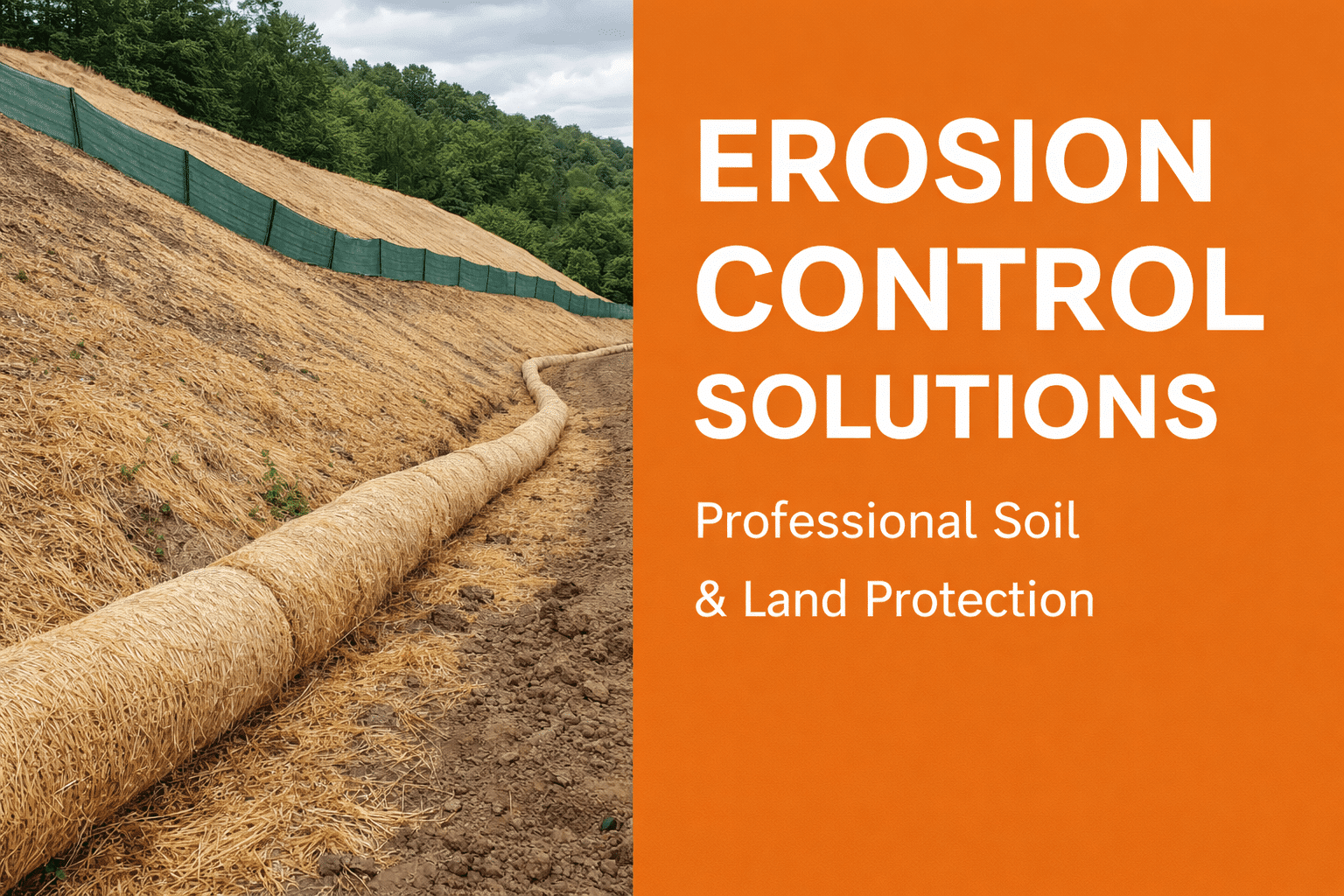
Effective Landscaping Techniques for Erosion Control
Soil erosion is a significant environmental challenge that impacts agricultural productivity, water quality, and land stability. Among various methods to prevent erosion, landscaping plays a crucial role in stabilizing the soil and maintaining ecological balance. This article delves into effective landscaping techniques for erosion control, incorporating both natural and artificial solutions to protect your landscape.
The Importance of Erosion Control
Erosion not only degrades fertile lands but also causes sedimentation in waterways, which can lead to flooding and habitat destruction. Landscaping approaches designed to manage this issue are essential in maintaining the integrity of a property and the surrounding environment. Understanding and implementing erosion control techniques can save property owners from costly repairs and contribute to environmental conservation.
Vegetative Solutions
Vegetation plays an essential role in erosion control. The roots of plants help bind the soil, reducing runoff and sediment loss. Here are some effective vegetative solutions:
- Ground Covers: Fast-growing ground covers like clover, creeping juniper, and periwinkle are excellent for stabilizing soil quickly. They prevent soil displacement by reducing the impact of water on the surface.
- Grass and Turf: Installing grass on slopes helps minimize erosion by providing a dense network of roots that hold the soil in place. Grasses like fescue and ryegrass are particularly effective on slopes.
- Native Plantings: Incorporating native plants into your landscape ensures that the vegetation is well-suited to the local climate and soil conditions, providing long-term erosion control with minimal maintenance.
Structural Solutions
In addition to vegetation, structural solutions are often necessary to manage severe erosion issues. Here are some structural methods that can enhance your landscaping for erosion control:
- Retaining Walls: Retaining walls are a practical solution for steep slopes, providing a physical barrier that prevents soil from shifting. They can be constructed from materials like stone, brick, or reinforced concrete.
- Terracing: By creating stepped levels on a slope, terracing reduces water runoff and allows for the cultivation of plants that can stabilize the soil. This technique is particularly beneficial in hilly areas.
- Riprap: This involves placing large stones or concrete along water edges or slopes to absorb and deflect the energy of flowing water, thereby reducing erosion.
Innovative Techniques
Modern landscaping also incorporates innovative solutions that blend aesthetics with functionality. Here are a few contemporary techniques:
- Rain Gardens: These gardens are designed to capture and filter rainwater, reducing runoff and promoting infiltration. They are typically planted with native species that can tolerate both wet and dry conditions.
- Bioengineering: Utilizing living plant materials to create structures such as vegetated geogrids and coir logs can stabilize banks and slopes in an eco-friendly manner.
- Permeable Pavements: Using materials that allow water to pass through the surface reduces runoff and promotes groundwater recharge.
Professional Assistance
While DIY projects can be effective for minor erosion issues, severe erosion challenges often require professional intervention. Consulting with landscaping experts can ensure that you implement the most effective solutions tailored to your specific needs. If you’re looking for professional landscaping services, consider searching for Hardscapes near me to find experts who can help you design and construct functional and aesthetically pleasing landscapes.
Conclusion
Effective landscaping for erosion control involves a combination of vegetative, structural, and innovative techniques. By employing these methods, you can protect your property from the damaging effects of erosion, enhance its aesthetic appeal, and contribute to environmental sustainability. Whether you’re tackling a small garden or a large property, understanding and implementing these strategies can make a significant difference in the health and stability of your landscape.