

Table of Contents
- Leaky Faucets
- Clogged Drains
- Running Toilets
- Low Water Pressure
- Water Heater Issues
- Leaking Pipes
- Sewer System Backups
- Sump Pump Failure
- Conclusion
Every homeowner will eventually face plumbing issues, making it crucial to understand the most frequent problems and how to respond. By recognizing the early warning signs and solutions, you can reduce the risk of expensive repairs and protect your property from water damage. Finding trusted guidance and information about plumbing services can help you maintain a reliable plumbing system at home. Plumbing problems are preventable with regular inspections and quick action when issues arise. This article outlines the most common problems, why they occur, and the steps you can take to address them efficiently.
Timely intervention is essential to avoid further complications. Routine maintenance and understanding basic plumbing principles will ensure your home’s pipes, fixtures, and appliances function optimally for years to come. In some cases, professional help is the best course of action. Consulting a reputable plumber when standard DIY fixes fail can prevent extensive damage and ensure safety across your home’s plumbing system.
Leaky Faucets
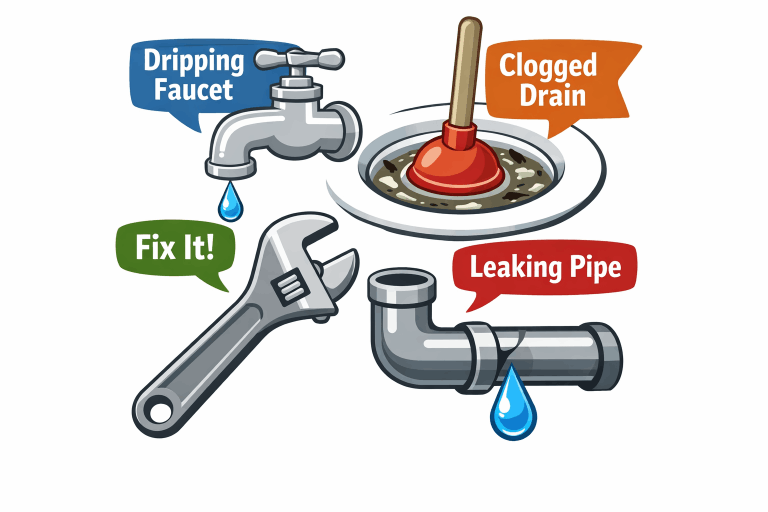
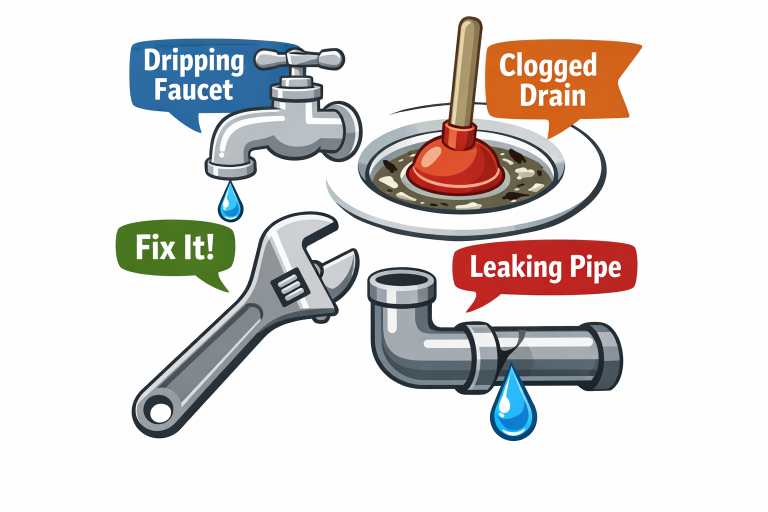
Even a slow drip from a faucet can add up over time, representing both wasted water and higher utility bills. The Environmental Protection Agency reports that a faucet leaking one drip per second can waste more than 3,000 gallons of water annually. Most leaks are caused by worn washers or seals, which can often be replaced with minimal tools and time. Addressing leaky faucets quickly helps conserve water and prevents more severe plumbing issues.
Clogged Drains
Clogged drains are a common occurrence in most homes and are typically caused by hair, grease, soap scum, or food waste buildup. Preventative steps include using drain guards to trap debris and avoiding the disposal of grease down the sink. For minor blockages, plungers or plumber’s snakes are effective. If the clog persists, chemical drain cleaners might be used occasionally, but frequent reliance can damage pipes. Chronic clogs can indicate deeper issues that require professional assessment.
Running Toilets
A constantly running toilet can waste hundreds of gallons of water each day. The root cause is often a faulty flapper valve that no longer forms a proper seal between the tank and the bowl. Replacing the flapper is an easy, inexpensive fix most homeowners can complete with basic instructions. If adjusting the flapper or float does not resolve the problem, it is wise to have the toilet inspected for other issues, such as a malfunctioning fill valve or a corroded overflow pipe.
Low Water Pressure
Low water pressure can make simple tasks, such as showering or washing dishes, frustrating. The causes can range from mineral or sediment buildup in aerators and showerheads to pipe corrosion or hidden leaks. Sometimes cleaning out the affected fixtures restores flow. However, if low pressure occurs across several fixtures, the problem likely lies deeper in the plumbing system and may need professional diagnosis. The Bob Vila guide to low water pressure provides more in-depth troubleshooting strategies.
Water Heater Issues
Water heaters are vital for daily comfort, and several issues can develop over time, including sediment collecting at the bottom of the tank, malfunctioning thermostats, and worn heating elements. Flushing the tank annually helps remove sediment and prolongs the heater’s lifespan. If the water temperature becomes unreliable or you notice popping sounds (indicating sediment buildup), maintenance or replacement may be necessary. Annual inspections and prompt repairs keep water heaters running efficiently.
Leaking Pipes
Leaking pipes are a major concern because they can cause water damage and mold growth if not found quickly. Signs of leaks include damp spots on walls or ceilings, low water pressure, and unexpectedly high water bills. Temporary solutions like pipe wraps or clamps can limit immediate damage, but a professional must repair or replace the compromised sections to ensure lasting protection and prevent further leaks.
Sewer System Backups
Sewer backups can cause severe health risks and significant property damage. Common causes include debris or grease blockages, tree root infiltration, or damaged sewer lines. Symptoms of trouble are multiple drains clogging up at once, gurgling noises from toilets, and persistent foul odors. These problems require immediate professional intervention to restore proper drainage and eliminate contamination risks.
Sump Pump Failure
Sump pumps keep basements and crawl spaces dry by redirecting water away from the home’s foundation. Failures are most often related to power outages, blocked discharge pipes, or worn-out mechanisms. Routine testing and debris removal safeguard against malfunctions, particularly before the rainy season. Annual maintenance ensures the sump pump operates correctly when you need it most. By staying alert to these common plumbing problems and responding quickly, homeowners can avoid extensive damage and costly repairs. Maintaining your plumbing system with a blend of DIY efforts and professional support will protect both your comfort and investment in the long term.
Conclusion
Understanding common plumbing issues, from leaky faucets and clogged drains to sump pump failures, empowers homeowners to act quickly and prevent costly damage. By staying attentive to early warning signs and performing routine maintenance, you can extend the life of your plumbing system and improve overall efficiency. While many minor problems can be handled with simple DIY solutions, knowing when to call a professional is equally important. Taking a proactive approach ensures your home remains safe, functional, and protected from unexpected plumbing emergencies.