

Table of Contents
- Install Energy-Efficient Windows
- Upgrade to a High-Efficiency HVAC System
- Install a Smart Thermostat
- Enhance Insulation and Air Sealing
- Switch to LED Lighting
- Upgrade Appliances to Energy-Efficient Models
- Install Solar Panels
- Conclusion
Energy efficiency is a crucial consideration for modern homeowners, as it directly influences both living costs and environmental impact. With rising energy costs and growing global concerns about climate change, investing in your home’s efficiency offers numerous benefits that go well beyond just reducing monthly bills. Improvements in energy use can enhance your household’s comfort, ensure a healthier indoor environment, and future-proof the property in an unpredictable market. Upgrading your home’s energy systems, whether through minor enhancements like lighting upgrades or larger commitments like solar panel installations or efficient HVAC systems, creates a more innovative, more sustainable environment for your family. A better energy profile also reflects positively on your home’s value, should you ever decide to sell. For homeowners seeking actionable ideas, Sustainable Living Builders offers a wide range of strategies and resources to achieve long-term efficiency and water conservation.
Many of these improvements become powerful selling features for future buyers who increasingly prioritize energy efficiency and low-maintenance living. In today’s competitive housing market, properties that highlight reduced utility expenses and a commitment to environmental responsibility often generate stronger interest and more competitive offers. Whether you aim to lower monthly costs, enhance indoor comfort, or boost resale value before listing, investing in energy efficiency remains one of the most dependable strategies. Incorporating innovations such as sustainable batch water solutions further strengthens a home’s appeal by conserving resources while lowering operational costs. The seven upgrades below deliver exceptional returns, both financially and in everyday livability. These strategic enhancements help homeowners improve comfort, shrink their carbon footprint, and maintain long-term property desirability.
Install Energy-Efficient Windows
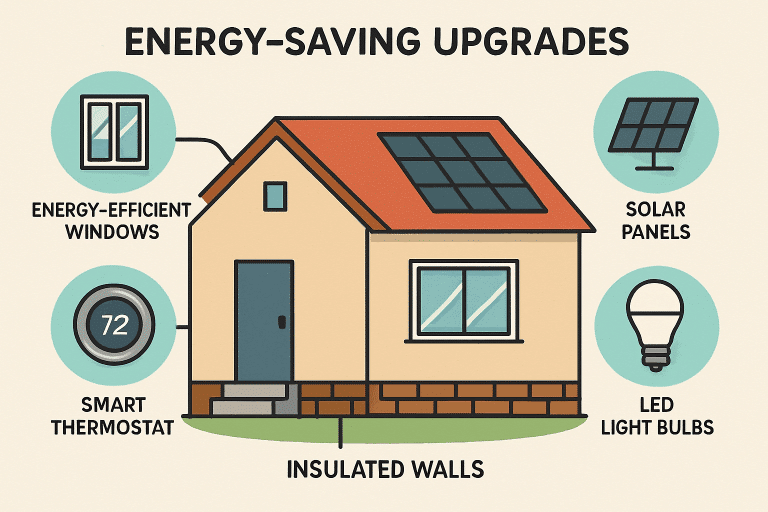
Old, leaky windows are major culprits of energy loss in homes. Not only do deteriorated or single-pane windows allow conditioned air to escape, but they also enable drafts that hinder indoor comfort year-round. Replacing outdated windows with modern, energy-efficient models, particularly those certified by ENERGY STAR, significantly improves your home’s insulation properties. These high-performance windows are specially designed with advanced glazing, insulating gases, and superior sealing techniques to keep warm air in during winter and cool air in during summer. As a result, your heating and cooling systems work more efficiently, and your energy bills drop accordingly. In addition to lower energy costs, new windows can give your home a stylish, contemporary facelift, greatly enhancing curb appeal and property value. According to the U.S. Department of Energy, energy-efficient window upgrades can lead to substantial annual savings and help mitigate common problems such as condensation and noise infiltration.
Upgrade to a High-Efficiency HVAC System
Heating and cooling typically account for nearly half of a home’s total energy use, making the HVAC system one of the most critical targets for efficiency improvements. If your HVAC equipment is more than ten years old or frequently in need of repair, upgrading to a modern, high-efficiency model can provide noticeable benefits right away. Today’s HVAC systems use advanced compressors, variable speed motors, and intelligent control features to maximize output while minimizing energy consumption. Look for units with a high SEER (Seasonal Energy Efficiency Ratio) rating and ENERGY STAR certification to ensure optimal savings. Upgrading your HVAC system is not only about cutting costs; modern systems also provide more even temperature distribution, quieter operation, and often enhanced air filtration, which improves indoor air quality. Over time, homeowners can realize returns of hundreds of dollars per year on utility bills while enjoying a more pleasant home environment. Efficiencies gained are desirable to prospective buyers, who increasingly value greener living spaces when shopping for their next home.
Install a Smart Thermostat
Smart thermostats are among the most accessible and impactful home upgrades available today. These intelligent devices automatically learn your family’s daily routines and preferences, optimizing heating and cooling cycles to align perfectly with when you are home or away. By reducing energy consumption when rooms are unoccupied, smart thermostats drive real savings without compromising comfort. According to the Environmental Protection Agency, smart thermostats can help homeowners cut heating costs by 10 to 12 percent and cooling bills by about 15 percent, resulting in potential household savings of $131 to $145 each year. Remote control via smartphone apps, personalized energy reports, and integration with other smart home devices make these thermostats appealing to tech-savvy users. Many buyers see these modern systems as valuable add-ons, improvements that enhance convenience and efficiency for any property they might consider purchasing.

Enhance Insulation and Air Sealing
Strong insulation and effective air sealing are essential defenses against energy waste in any climate. Poorly insulated homes allow valuable heated or cooled air to leak out, causing the HVAC system to work overtime and leading to uncomfortable drafts and higher energy costs. Investing in better attic, wall, and floor insulation and sealing gaps around windows, doors, and ductwork can eliminate these common problems. According to ENERGY STAR, such improvements can cut annual heating and cooling expenditures by up to 15 percent. High-performance insulation materials go beyond traditional fiberglass; options like spray foam and rigid foam boards provide improved air barriers and moisture resistance, further safeguarding your home.
Attic insulation, in particular, stands out for its excellent return on investment. Installation costs typically range from $1,500 to $3,500, yet homeowners often recover over 100 percent of that expense through increased resale value, as reported by the National Association of Realtors. Thorough insulation and air sealing not only create a more stable and consistent indoor climate but also help eliminate common HVAC inefficiencies and reduce the risk of moisture problems that can affect home durability and indoor air health.
Switch to LED Lighting
Upgrading your entire home to LED lighting is a quick, cost-effective way to significantly reduce your electricity usage for years to come. LED bulbs consume about 75 percent less energy than traditional incandescent bulbs and last up to 25 times longer, resulting in a significant reduction in your electricity usage for years to come. Operating temperatures mean less heat is added to your living space, lightening the load on your air conditioning system during hot months. LEDs also come in a wide array of color temperatures and shapes, giving homeowners more control over both the mood and style of every room. According to the New York Times, anyone who switches to LEDs can expect to recoup their initial investment within 2 years, making this a no-brainer upgrade with benefits for both current savings and long-term maintenance ease. Enhanced lighting quality is instantly noticeable, and buyers appreciate that LED systems mean minimal bulb changes and consistent performance over time.
Upgrade Appliances to Energy-Efficient Models
Outdated appliances account for a significant portion of unnecessary energy and water use in the average home. By swapping old, inefficient units for ENERGY STAR-certified refrigerators, dishwashers, washing machines, and dryers, you can realize considerable annual savings. ENERGY STAR refrigerators use about 15 percent less energy than non-certified ones, and high-efficiency washers consume 25 percent less energy and 33 percent less water, savings that quickly accumulate over the life of the appliance. Newer appliances frequently feature advanced settings, smart connectivity, and streamlined designs, enhancing both their functionality and visual appeal in kitchens and laundry rooms. For those considering resale, modern, efficient appliances are consistently cited by intelligentrs as important selling points, helping homes stand out in a crowded or competitive real estate market.
Install Solar Panels
Installing solar panels is one of the most impactful steps you can take to reduce dependence on traditional utilities while boosting your property’s value. Advances in solar technology mean systems are now more efficient and affordable than ever before, with many setups able to cover a significant portion of your household’s electricity needs. Zillow research shows that homes equipped with solar panels sell for about 4.1 percent more than comparable homes without them, a meaningful boost for most homeowners. The federal Investment Tax Credit (ITC) makes solar even more attractive, allowing you to deduct 30 percent of installation costs from your federal taxes. On top of that, many states and cities offer rebates and local programs to further offset upfront costs and speed up return on investment. For homeowners planning to stay in their property long term, solar systems can pay for themselves within a decade, reduce monthly electric bills, and offset upfront costs, making it a more focused, eco-friendly choice for buyers.
Conclusion
Improving your home’s energy efficiency is a smart move for both immediate benefit and long-term value. Key upgrades such as energy-efficient windows and new HVAC systems deliver noticeable comfort and cost savings year after year. Smart thermostats and LED lighting offer easy-to-implement modernization options that make your home more appealing and user-friendly for current occupants and prospective buyers alike. Thorough insulation and modern, efficient appliances further help future-proof your home, reducing your environmental impact. Finally, by adopting solar energy, you can take advantage of significant financial incentives while aligning your property with broader shifts toward renewable, sustainable resource use. By making these investments, you not only reduce your monthly utility bills, but you also position your property as an attractive and desirable home in today’s environmentally conscious real estate market.