

The Unseen Essentials: Upgrading Core Home Systems for Health and Comfort
While aesthetic improvements often capture our immediate attention, the proper foundation of a comfortable, safe, and valuable home lies within its core systems. Upgrading your HVAC, plumbing, and electrical infrastructure might not offer the immediate visual gratification of a newly renovated kitchen, but these “unseen essentials” are paramount for your family’s health, safety, and long-term financial well-being. Proactive system maintenance and timely upgrades prevent costly emergencies, improve energy efficiency, and enhance indoor air quality and overall home safety.
Upgrading Your HVAC System for Peak Performance
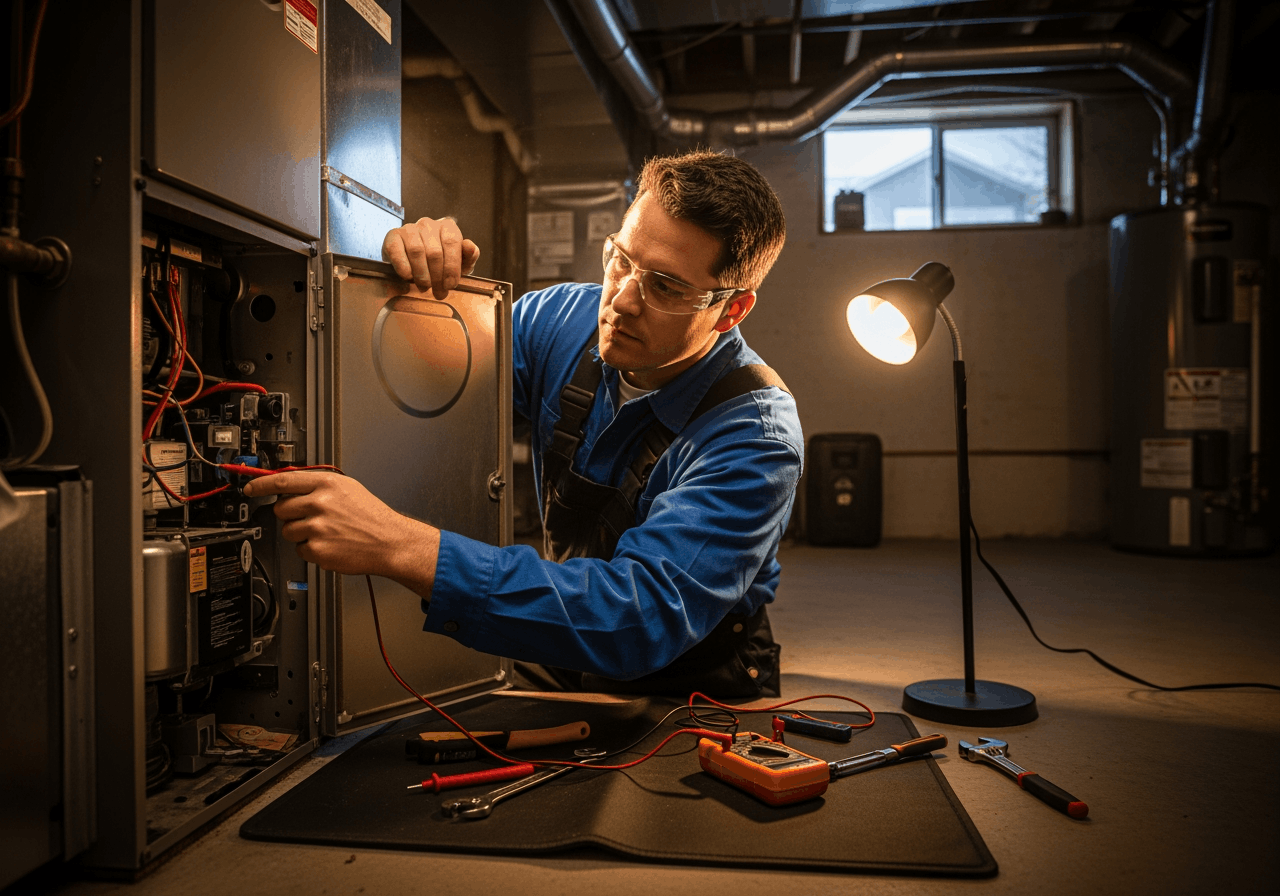
Your home’s heating, ventilation, and air conditioning (HVAC) system is the silent workhorse that ensures year-round comfort and healthy indoor air quality. It’s responsible for maintaining a consistent temperature, managing humidity, and filtering airborne pollutants. Over time, however, even the most robust HVAC systems begin to show signs of wear, impacting their efficiency and reliability.
Recognizing the signs of an aging furnace is crucial. Common indicators include strange noises such as grinding, banging, or whistling, which often indicate mechanical issues. Rising energy bills, despite consistent usage, signal declining efficiency. Inconsistent heat distribution, where some rooms are warm and others remain cold, suggests problems with the system’s ability to circulate air effectively or issues with the furnace itself.
Modern HVAC systems offer significant advantages over older models. They are designed with advanced energy efficiency in mind, often boasting higher AFUE (Annual Fuel Utilization Efficiency) ratings that translate directly into lower utility costs. Features like smart thermostat integration allow for precise temperature control, remote access, and learning capabilities that optimize heating and cooling schedules based on your habits. This not only improves comfort but also further reduces energy consumption.
A common dilemma homeowners face is whether to repair or replace a malfunctioning furnace. Several factors influence this decision. The age of your furnace is a primary consideration; most units have a typical lifespan of 15-20 years. If your furnace is nearing or has exceeded this range, replacement often makes more financial sense than continuous repairs, especially if those repairs are frequent or costly. Safety concerns, such as the risk of carbon monoxide leaks from a cracked heat exchanger, are non-negotiable and almost always necessitate replacement. For homeowners in specific climates, researching local solutions, such as S.O.S. Sandy furnace upgrades, can reveal options tailored to regional needs, ensuring your system is ideally suited to your environment.
Beyond immediate comfort, a well-functioning, efficient HVAC system is a significant selling point for any home, contributing to its market value. Regular professional maintenance is key to maximizing your system’s lifespan and efficiency, preventing minor issues from escalating into major breakdowns.
Modernizing Plumbing and Electrical Systems
Beneath the surfaces of your walls and floors, your plumbing and electrical systems are vital arteries, delivering water and power throughout your home. Modernizing these systems is a critical investment in safety, efficiency, and convenience.
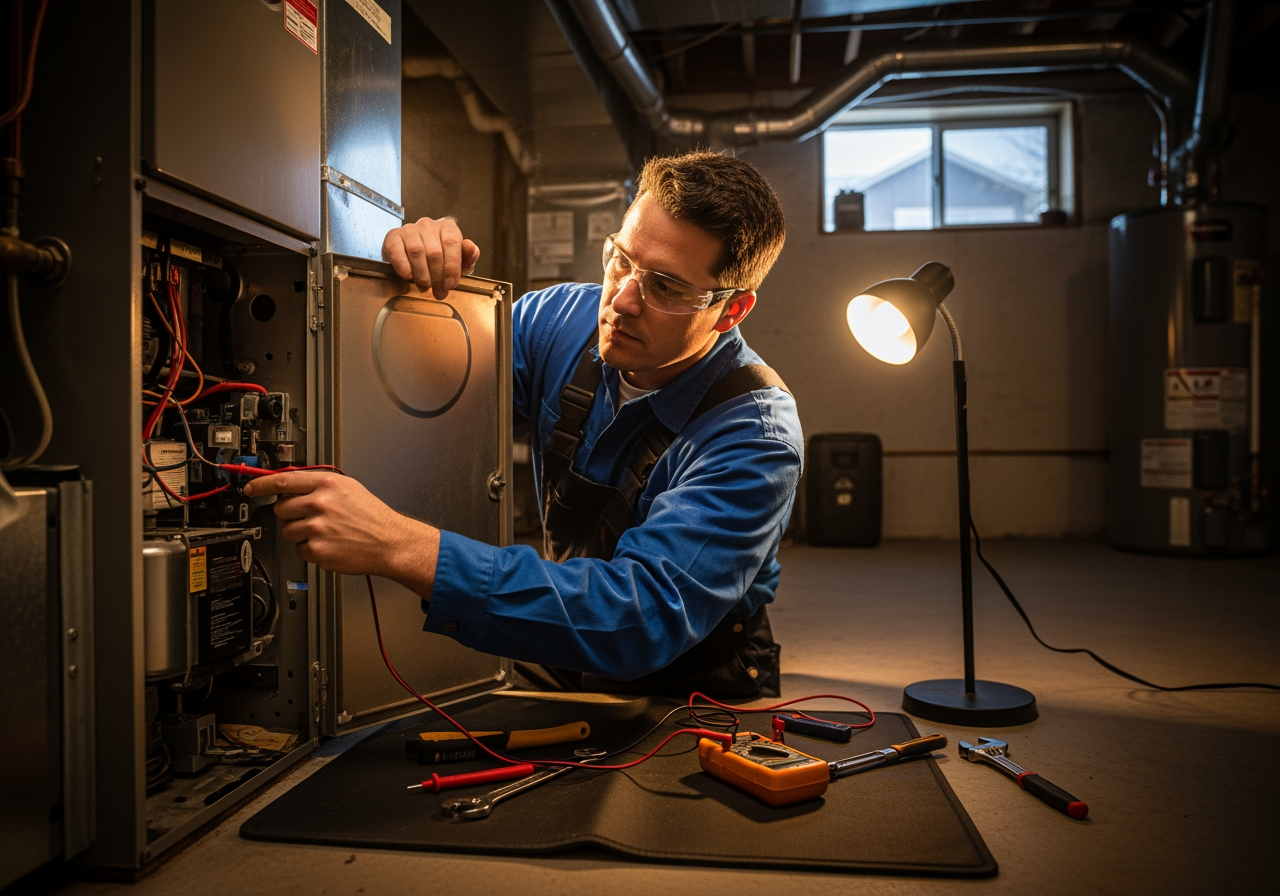
Plumbing upgrades can range from replacing old, corroded pipes—ubiquitous in older homes—to installing water softeners that protect appliances and fixtures from mineral buildup, extending their life and improving water quality. Tankless water heaters are a popular upgrade, offering on-demand hot water, significant energy savings, and a much longer lifespan than traditional tank models. These systems not only improve daily convenience but also reduce the risk of water damage from aging tanks.
Electrical safety is paramount. Outdated wiring, insufficient circuit capacity, and old electrical panels pose serious fire hazards and can struggle to meet the demands of modern electronics. Updating your home’s wiring to current codes, upgrading the electrical panel to handle increased loads, and installing ground-fault circuit interrupter (GFCI) outlets in wet areas like kitchens and bathrooms are essential upgrades. These improvements protect your family from electrical shocks and fires, while also ensuring your home can safely power all your devices and appliances. Modern electrical systems also provide peace of mind, knowing your home is equipped for today’s technological needs and future advancements.
High-Impact Interior Home Upgrades: Kitchens and Bathrooms
When it comes to interior home upgrades that deliver significant return on investment (ROI) and dramatically improve daily living, kitchens and bathrooms consistently top the list. These are not merely functional spaces; they are central to our lifestyles, impacting everything from meal preparation and daily routines to entertaining guests. Investing in these rooms enhances functionality, elevates aesthetic appeal, and adds substantially to your home’s overall value.

The Heart of the Home: Essential Kitchen Upgrades
The kitchen is often called the heart of the home, a hub of activity where families gather, meals are prepared, and memories are made. As such, it’s a prime candidate for upgrades that blend practicality with style.
Thoughtful consideration of layout and workflow is crucial. A well-designed kitchen maximizes efficiency, making cooking and entertaining a joy. This might involve reconfiguring an island, optimizing appliance placement, or creating dedicated zones for different tasks.
Cabinetry plays a dual role, offering both storage and a significant visual element. Upgrading to modern, durable cabinetry can transform the entire look and feel of your kitchen. Complementing this, selecting the right countertops, such as neat quartz or classic granite, adds both beauty and resilience, standing up to the demands of daily use.
Energy-efficient appliances are a wise investment, reducing utility bills and offering advanced features that simplify kitchen tasks. From induction cooktops to smart refrigerators, these appliances combine performance with environmental responsibility. Layered lighting, incorporating ambient, task, and accent lighting, improves both the functionality and atmosphere of the kitchen, ensuring every corner is well-lit and inviting. This is a key area for valuable interior home upgrades, offering both personal enjoyment and strong market appeal.
Creating a Spa-Like Retreat: Bathroom Renovations
Bathrooms, once purely utilitarian, have evolved into personal sanctuaries. A well-executed bathroom renovation can transform a simple space into a spa-like retreat, offering comfort, relaxation, and improved functionality.
Upgrades like low-flow toilets and modern faucets not only conserve water but also add a sleek, contemporary touch. Proper ventilation is essential for maintaining air quality, preventing moisture-related issues like mold and mildew, and protecting both your health and your home’s structure.
Here are some top bathroom upgrade ideas for creating a personal oasis:
- Walk-in Shower with Bench: Replace an old tub/shower combo with a spacious, glass-enclosed walk-in shower featuring a built-in bench for comfort and accessibility.
- Heated Flooring: Install radiant heated floors for a luxurious touch that keeps your feet warm on cold mornings.
- Double Vanity: Shared bathrooms, a double vanity provides ample space and storage, reducing morning rush-hour conflicts.
- Smart Mirror with Integrated Lighting: A smart mirror can offer adjustable lighting, defogging capabilities, and even built-in displays for news or weather.
- Freestanding Soaking Tub: If space allows, a freestanding soaking tub becomes a stunning focal point and offers the ultimate relaxation experience.
These renovations not only lift your daily routine but also significantly boost your home’s appeal and value.
Aesthetic and Functional Finishes: Flooring, Lighting, and Paint
Beyond the core systems and high-impact rooms, the aesthetic and functional finishes throughout your home play a crucial role in defining its character, comfort, and perceived value. These upgrades, often more cost-effective than major renovations, can create a cohesive design, improve visual appeal, and profoundly influence the atmosphere of each space.
Choosing the Right Foundation: Flooring Upgrades
Flooring is literally the foundation of your interior design, impacting everything from comfort underfoot to ease of maintenance and overall style. Choosing the right flooring involves balancing aesthetics, durability, and practicality for each area of your home.
Here’s a comparison of popular flooring types:
Flooring Type Durability Feel Maintenance Hardwood High, with proper care; can be refinished Warm, classic, natural Requires regular cleaning; susceptible to scratches/moisture LVP (Luxury Vinyl Plank) Very High; waterproof, scratch-resistant Resilient, comfortable underfoot Easy to clean; highly water-resistant Tile Extremely High; waterproof, stain-resistant Cool, hard Easy to clean; grout can require maintenance Carpet Moderate; varies by pile and fiber Soft, warm, sound-absorbing Requires regular vacuuming; prone to stains When selecting flooring, consider the style of your home and your personal preferences. Durability is key, especially for high-traffic areas like entryways, hallways, and living rooms. For kitchens and bathrooms, water resistance is paramount. The right flooring not only looks good but also stands up to the demands of your household, creating a comfortable, functional living environment.
Illuminating Your Space: A Guide to Smart Lighting
Lighting is one of the most powerful elements of interior design. It can transform a room, highlight architectural features, and significantly impact mood and functionality. A well-designed lighting scheme employs layering, combining different types of light to achieve optimal results.
- Ambient lighting provides overall illumination, setting the room’s general mood.
- Task lighting focuses light on specific areas for activities like reading, cooking, or working.
- Accent lighting draws attention to artwork, plants, or other decorative elements, adding depth and visual interest.
Modern advancements in LED technology offer incredible versatility and energy efficiency. Smart bulbs can be controlled remotely, change colors, and adjust brightness, allowing you to customize the ambiance with ease. Dimmer switches are a simple yet effective upgrade, giving you instant control over lighting intensity and helping conserve energy. By thoughtfully planning your lighting, you can create spaces that are both beautiful and highly functional, adapting to various needs throughout the day.
The Power of Paint: A Simple but Transformative Upgrade
Few upgrades offer as much visual impact for such a relatively low cost as a fresh coat of paint. It’s a simple but transformative upgrade that can instantly refresh a room, alter its perceived size, and dramatically change its atmosphere.
Understanding color psychology can help you choose a palette that evokes the desired mood for each space. Cool tones like blues and greens can create a calming, serene environment, ideal for bedrooms and bathrooms. Warm tones such as yellows and oranges can energize a space, making it suitable for kitchens or living areas. Neutral colors offer versatility and a timeless appeal, serving as a perfect backdrop for various decor styles.
Beyond color, the type of paint finish also plays a role. Matte finishes conceal imperfections and create a sophisticated look. In contrast, satin or semi-gloss finishes are more durable and easier to clean, making them ideal for high-traffic areas or moisture-prone rooms. A fresh coat of paint is one of the most effective interior home upgrades, offering a clean slate and a renewed sense of vibrancy.
Frequently Asked Questions about Interior Upgrades
Starting home upgrades can feel overwhelming, but addressing common questions can help clarify the process and empower you to make informed decisions.
How do I prioritize which home upgrades to tackle first?
Prioritization is key to a successful and manageable upgrade journey. We recommend starting with critical repairs that affect safety and structural integrity, such as roof issues, foundation problems, or essential system malfunctions, such as HVAC or major plumbing leaks. These foundational issues should always take precedence.
Next, focus on projects that offer high personal value—upgrades that significantly improve your daily comfort and quality of life. Simultaneously, consider projects with a strong return on investment (ROI) if you anticipate selling your home in the future. Finally, align your choices with your budget and timeline, breaking larger projects into smaller, more manageable phases if necessary.
Are DIY upgrades a good way to save money?
DIY upgrades can certainly save money on labor costs, and for specific projects, they are an excellent option. Simple tasks like painting, installing new light fixtures, or minor landscaping are often well within the capabilities of a dedicated homeowner. However, it’s crucial to be realistic about your skill level and the project’s complexity.
For complex jobs involving electrical, plumbing, or HVAC work, hiring licensed professionals is not just about convenience; it’s about safety and compliance with local building codes. Improperly executed DIY work in these areas can lead to dangerous situations, costly future repairs, or even void insurance policies. Always weigh the potential savings against the risks and the need for expert knowledge.
How can I ensure my upgrades add value to my home?
To maximize the value your upgrades add, several strategies are effective. Firstly, focus on timeless, neutral designs and materials. At the same time, personal taste is essential; overly specific or trendy choices can quickly become dated and appeal to a smaller pool of potential buyers.
Secondly, prioritize kitchen and bathroom upgrades, as these rooms consistently offer the highest ROI. They are often key factors in prospective homeowners’ decision-making.
Lastly, and perhaps most importantly, ensure quality artistry and materials. Shoddy work or cheap materials can detract from your home’s value rather than enhancing it. Professional installation and durable, high-quality products signal a well-maintained and thoughtfully upgraded home.
Conclusion
Thoughtful interior upgrades are more than just cosmetic changes; they are strategic investments in your home’s comfort, safety, and long-term value. We’ve explored the importance of addressing core systems like HVAC, plumbing, and electrical, which form the unseen backbone of a healthy home. We then moved to high-impact rooms like kitchens and bathrooms, where functionality meets aesthetics to create spaces that truly lift daily living. Finally, we considered the transformative power of finishes such as flooring, lighting, and paint, which tie everything together to create a cohesive and inviting atmosphere.
By planning thoughtfully, prioritizing needs, and making informed decisions, you can ensure that every upgrade contributes to a home that is not only a joy to live in today but also a valuable asset for tomorrow. Accept the journey of enhancing your living space, and watch as your home evolves into the sanctuary you’ve always envisioned.
 admin
admin